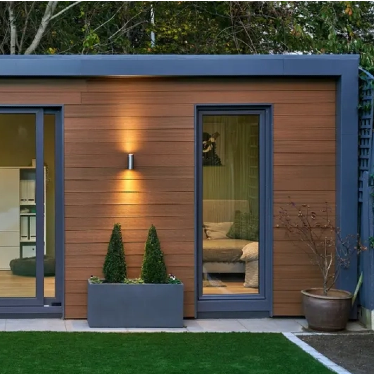
When it comes to designing or renovating the exterior of a building, choosing the right material for wall cladding—or exterior panels—is a significant decision. The façade of a building not only defines its curb appeal but also protects it from the elements. Two of the most popular materials for this purpose are wood-plastic composite (WPC) wall cladding and traditional wood cladding. Both materials have their strengths, but they also come with their own set of limitations.
In this article, we’ll compare WPC cladding with traditional wood, examining factors such as durability, maintenance, aesthetics, cost, sustainability, and installation to help you determine which is the best option for your facade.
What Are WPC Wall Cladding and Traditional Wood Cladding?
Before we dive into the comparison, let’s clarify what we mean by WPC wall cladding and traditional wood cladding:
Traditional wood cladding: This refers to exterior panels made from natural wood, such as cedar, pine, or redwood. It’s been a classic choice for building facades due to its aesthetic appeal and natural beauty. Wood cladding is available in a variety of finishes and styles, allowing for flexibility in design.
WPC wall cladding: Wood-plastic composite (WPC) is a modern alternative to traditional wood cladding. It’s made by blending wood fibers (often from recycled wood or sawdust) with plastic, such as polyethylene or polypropylene. WPC panels are engineered to provide the appearance of wood while incorporating the strength and durability of plastic.
Now that we have a basic understanding of both materials, let's explore how they compare in different key areas.
1. Durability and Longevity
One of the most important factors when choosing any cladding material is durability. How well will the material hold up to the elements over time? Will it require frequent repairs or replacements? Here's how WPC and traditional wood compare:
Traditional wood cladding: While wood is a beautiful and classic material, it is more susceptible to wear and tear. Over time, exposure to the elements, such as rain, sun, and snow, can cause wood to warp, crack, or rot. Wood is also vulnerable to pests like termites, which can cause significant damage. Although certain types of wood, such as cedar or redwood, are naturally more resistant to decay, all wood requires regular treatment and maintenance to prevent deterioration. This often involves periodic staining, sealing, and re-coating to protect it from moisture and UV damage.
WPC wall cladding: WPC panels are highly resistant to moisture, rot, and warping. Because they are made with a combination of wood fibers and plastic, they don’t absorb water, which means they won’t swell or deteriorate like traditional wood when exposed to rain. WPC cladding is also resistant to termites and other pests, which can be a major issue with natural wood. The UV-resistant properties of WPC panels help prevent fading and cracking due to sun exposure. Overall, WPC wall cladding tends to last much longer without the need for frequent replacements.
Conclusion: WPC cladding is significantly more durable than traditional wood. It requires less maintenance and is better equipped to handle extreme weather conditions, making it an ideal choice for long-term performance.
2. Maintenance and Upkeep
Maintenance is a key consideration for anyone choosing a cladding material, especially when it comes to the exterior of a building. Maintaining the appearance and performance of the facade can add considerable time and cost to the overall project. Let's compare the maintenance requirements of both materials:
Traditional wood cladding: Wood requires frequent maintenance to keep it looking its best. This usually involves staining or painting the surface every 2-3 years, depending on the climate and exposure to the sun. Wood also needs to be regularly cleaned and sealed to prevent moisture damage and the growth of mold or mildew. Without proper care, wood can lose its aesthetic appeal quickly and require costly repairs.
WPC wall cladding: WPC panels are designed to be low maintenance. Unlike wood, they don’t need to be regularly stained or painted. Cleaning WPC cladding is as simple as wiping it down with soap and water. The material is also resistant to mold, mildew, and other contaminants, so you don’t need to worry about frequent cleaning or the application of protective coatings. In addition, the color of WPC panels typically remains consistent over time, as the panels are engineered to resist fading.
Conclusion: WPC cladding is much easier to maintain than traditional wood. It requires far less effort to keep it looking great, making it a more convenient and cost-effective option in the long run.
3. Aesthetic Appeal
Aesthetics are important when choosing cladding for your building’s exterior. The look of the material will significantly impact the overall appearance of the structure. Let’s compare the aesthetic qualities of wood and WPC:
Traditional wood cladding: Wood is naturally warm and inviting, and its unique grain patterns can add a sense of character and beauty to a building’s facade. The texture and color of wood can also vary greatly depending on the type of wood used, giving homeowners and designers more options to achieve their desired look. For many, there’s no substitute for the timeless beauty of natural wood.
WPC wall cladding: WPC panels are designed to mimic the appearance of wood, but they offer more uniformity in texture and finish. While they can replicate the look of wood quite well, WPC panels often lack the natural grain and depth found in solid wood. However, WPC panels come in a variety of colors and finishes, allowing for a modern, clean, and consistent aesthetic. Many WPC cladding options are available with a wood-like finish that looks similar to natural wood, though it may not have the same organic feel.
Conclusion: Traditional wood is unrivaled in terms of its natural beauty and unique appearance. However, WPC cladding can still provide a sleek, modern look and may be preferable for those seeking consistency and low-maintenance aesthetics.
4. Cost Considerations
Cost is always a major factor in any construction or renovation project. When comparing WPC wall cladding with traditional wood, it's important to consider both the initial cost and the long-term financial implications, including maintenance costs:
Traditional wood cladding: Wood can be relatively inexpensive upfront, depending on the type of wood chosen. However, the ongoing maintenance costs—such as regular staining, painting, sealing, and potential repairs—can quickly add up over time. If the wood needs to be replaced due to damage or decay, that’s another significant expense to consider. In addition, high-quality wood options like cedar or redwood can be much more expensive.
WPC wall cladding: WPC cladding tends to have a higher initial cost compared to traditional wood. However, because it requires minimal maintenance, the long-term cost of ownership can be significantly lower. The lack of frequent painting, staining, or sealing means that homeowners and property managers won’t need to spend as much on upkeep over time. Additionally, since WPC is highly durable and resistant to damage, it may avoid costly repairs or replacements in the future.
Conclusion: While WPC cladding may have a higher initial cost, its long-term savings in maintenance and repairs make it a more cost-effective choice over time.
5. Environmental Impact
As sustainability becomes an increasingly important factor in construction and design, many people are looking for building materials that are environmentally friendly. Here’s how traditional wood and WPC cladding compare in this regard:
Traditional wood cladding: Wood is a renewable resource, but its environmental impact depends on how it is sourced. Wood from responsibly managed forests or sustainable plantations is environmentally friendly, but clear-cutting and unsustainable logging practices can contribute to deforestation and habitat destruction. Additionally, the chemicals used in the treatment of wood (such as preservatives and paints) can have negative environmental consequences.
WPC wall cladding: WPC cladding is often made from recycled wood fibers and plastics, making it a more eco-friendly option than some traditional materials. By using recycled content, WPC reduces the demand for virgin wood and plastic, helping to divert waste from landfills. However, the plastic component of WPC is not biodegradable, and there are concerns about the environmental impact of its production and disposal. Despite this, WPC is generally considered a more sustainable option than traditional wood.
Conclusion: WPC cladding has the potential to be more environmentally friendly if it’s made from recycled materials, but it’s important to consider the overall sustainability practices of the manufacturer. Traditional wood can be sustainable when sourced responsibly, but it can also contribute to deforestation if not harvested with care.
6. Installation Ease
Ease of installation is an important consideration, as it impacts both the time and cost required to complete a project. Here’s how WPC and traditional wood compare in this area:
Traditional wood cladding: Wood requires precise cutting, measuring, and fastening. Depending on the type of wood, it may also need to be treated or prepped before installation. Installing wood cladding can take time and often requires professional expertise to ensure a proper and secure fit.
WPC wall cladding: WPC panels are often designed for easier installation. Many products come with interlocking systems or clips, which makes them faster to install compared to traditional wood. WPC panels are also lightweight, reducing the amount of labor required to handle and mount them on the building’s exterior.
Conclusion: WPC cladding generally offers easier and faster installation compared to traditional wood, making it an excellent choice for those looking to minimize installation time and labor costs.
Conclusion: Which is the Better Choice?
Choosing between WPC wall cladding and traditional wood cladding depends on your priorities and the specific needs of your building’s exterior. Here's a quick summary of the key points to consider:
WPC wall cladding is more durable, low-maintenance, and weather-resistant. It offers better long-term value with minimal upkeep and can be a more cost-effective solution when considering the total cost of ownership.
Traditional wood cladding provides a timeless, natural aesthetic with unique textures and appearances. While it requires more maintenance, it is a renewable resource and can be more affordable initially.
If you’re looking for a material that is easy to maintain, durable, and resistant to weather, WPC cladding may be the better choice. However, if the natural beauty of wood is important to you and you are willing to invest time and money into upkeep, traditional wood cladding may be the right option.
Ultimately, the decision depends on the specific needs of your project, your budget, and the style you want to achieve for your building’s facade.