Wood Plastic Composite (WPC) decking is a popular choice for outdoor spaces due to its durability, low maintenance, and aesthetic appeal. However, like any outdoor material, it is exposed to the elements, including sunlight. Sunlight, particularly ultraviolet (UV) rays, can cause damage to various materials, including decking. Over time, the constant exposure to UV rays can lead to fading, discoloration, or degradation of the surface. For homeowners considering WPC decking for sun-exposed areas like patios, decks, and poolside spaces, it’s important to understand how sunlight affects the material. While traditional wood decking can experience significant color change and surface damage under prolonged sun exposure, WPC decking is designed to withstand these challenges. It incorporates UV inhibitors that help reduce color fading, ensuring that the decking maintains its vibrant appearance for years, even in the harshest sun conditions.
1.WPC Decking's Resistance to Fading
UV Protection in WPC Decking
One of the primary benefits of WPC decking is its built-in UV protection. WPC decking is manufactured with special UV inhibitors that help protect the material from the harmful effects of ultraviolet (UV) rays. These inhibitors are designed to prevent the breakdown of the composite material, which can cause fading and discoloration. As a result, the colors in WPC decking remain rich and vibrant for much longer than traditional wood decking, even after prolonged exposure to the sun. These UV inhibitors work by blocking or absorbing UV light, reducing its impact on the decking material and maintaining its aesthetic appeal over time.
Comparison with Traditional Wood Decking
When compared to natural wood, WPC decking excels in color retention and overall performance under sun exposure. Traditional wood decking, such as cedar or redwood, is prone to fading, warping, and weathering when exposed to UV rays over time. The wood’s natural fibers absorb sunlight, which accelerates the fading process and can result in a dull, greyish appearance. Additionally, the wood’s surface can become rough and cracked due to the UV damage. In contrast, WPC decking’s blend of wood fibers and plastic allows it to resist these issues. While it can still experience some color change over time, it is significantly less noticeable compared to the dramatic fading that wood undergoes. WPC decking also resists cracking, warping, and splintering, which are common problems with traditional wood when exposed to sunlight. This makes WPC decking a more durable and long-lasting solution for outdoor spaces exposed to direct sun.
2. Color Retention and Maintenance of WPC Decking
Long-Term Appearance
One of the most significant advantages of WPC decking is its ability to retain its color for years with minimal maintenance. Thanks to the UV inhibitors and the composite material's inherent properties, WPC decking is designed to resist color fading caused by sun exposure. Unlike natural wood, which requires regular staining or sealing to maintain its appearance, WPC decking needs very little upkeep to preserve its vibrant color. As it is designed to withstand harsh outdoor conditions, it maintains its aesthetic appeal throughout the years, even in areas with heavy sun exposure. While all outdoor materials may experience slight color changes over time, WPC decking’s performance remains impressive, and its rich color is much more stable compared to traditional wood decking, making it an ideal choice for low-maintenance, long-lasting outdoor spaces.
Factors That Can Affect Color Stability
Although WPC decking is highly resistant to fading, there are still a few environmental factors that can influence its color stability. Extreme weather conditions, such as prolonged exposure to heavy rainfall, intense sunlight, or fluctuating temperatures, can contribute to some color shift, although the fading is generally much less noticeable compared to wood. Saltwater environments, like those near oceans or pools, can also have an impact on color stability, as the salt can slightly degrade the material’s surface over time, leading to subtle color changes. Additionally, cleaning methods and the use of harsh chemicals on the surface of the decking can contribute to minor color fading. However, with regular cleaning and proper care, these factors can be minimized, helping WPC decking maintain its appearance for many years. Proper installation, including ensuring good drainage and allowing the material to breathe, can also help reduce the impact of these environmental factors on color retention.
Protecting Color and Appearance Over Time
To maximize the longevity and color retention of WPC decking, proper care is essential. Regular cleaning with mild soap and water can help remove dirt, debris, and stains that might affect the decking’s appearance. It’s important to avoid using harsh chemicals or abrasive cleaners, as these can damage the surface and contribute to color fading. Additionally, using protective covers or tarps during extreme weather conditions or when the decking is not in use can help shield it from unnecessary sun exposure or environmental pollutants. Taking these simple steps will ensure that your WPC decking continues to look vibrant and well-maintained for many years, making it a smart investment for outdoor spaces.
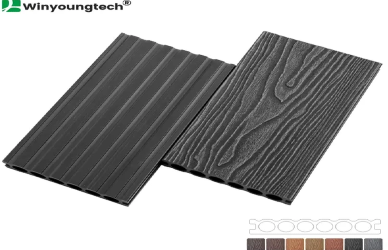
3.How to Maintain WPC Decking’s Appearance
Cleaning and Care Tips
Maintaining the appearance of WPC decking is relatively simple due to its low-maintenance nature. To keep your decking looking its best, regular cleaning is key. Here are a few easy steps to ensure the longevity of your WPC deck:
Routine Cleaning: Sweep the surface regularly to remove dirt, leaves, and debris that can accumulate and cause staining over time.
Washing: Wash your WPC decking with a hose or pressure washer on a low setting. Use a mild soap solution and a soft-bristle brush to scrub away dirt or stains. Avoid using harsh chemicals or bleach, as these can damage the material.
Tackling Stubborn Stains: For tough stains like grease or oil, use a mixture of water and mild detergent, or a deck cleaner specifically formulated for composite decking. Always rinse thoroughly after cleaning.
Avoid Scratching: Be mindful of furniture or heavy objects that may scratch the surface of the decking. Consider placing felt pads under outdoor furniture to protect the surface from damage.
Re-coating Options for Color Restoration
Although WPC decking is designed to retain its color for an extended period, some minor fading can occur over time, particularly in areas exposed to heavy sunlight. If the appearance of your WPC decking begins to look dull or worn, re-coating can help restore its vibrant look.
When to Re-coat: If you notice noticeable fading or discoloration, it may be time to refresh your deck. Typically, this is needed every few years, depending on the exposure to sun and environmental factors.
Re-coating Process: While WPC decking does not require staining like traditional wood, some manufacturers offer specially formulated composite deck cleaners or re-coating products that can help restore the color. Apply the product following the manufacturer’s guidelines, usually with a brush or roller, ensuring an even coat.
Protective Coatings: If you prefer added protection against further fading, consider applying a UV-protectant finish. These coatings can help extend the life of the color and add an extra layer of protection from the sun.
By following these simple cleaning and re-coating steps, you can keep your WPC decking looking fresh and vibrant, ensuring that it remains an attractive and durable feature in your outdoor space.
FAQ
1.Does WPC decking require UV treatment for color protection?
No, WPC decking does not require additional UV treatment for color protection. The material is manufactured with built-in UV inhibitors that help prevent color fading and protect the decking from sun damage. These inhibitors are integrated during the manufacturing process, ensuring that the decking retains its color over time without the need for external UV treatments.
2. How can I prevent WPC decking from fading in extreme heat?
To minimize fading in extreme heat, it’s important to regularly clean your WPC decking and avoid harsh chemicals that could cause damage. While WPC decking is designed to resist color change from heat, keeping the surface free from dirt and debris can help maintain its appearance. Additionally, using protective covers or shading the deck during peak sun hours can reduce direct exposure and help preserve the decking’s color.
3. Can I stain or paint WPC decking if it fades over time?
Although WPC decking is designed to resist fading, if you notice slight discoloration over time, you can restore the look of the surface with specific products designed for composite decking. However, WPC decking does not need to be stained or painted like traditional wood. Instead, consider using a composite-specific cleaner or re-coating product to refresh the color if necessary.
4. Will WPC decking lose its color over time even with UV protection?
While WPC decking is highly resistant to fading due to its built-in UV protection, some minor color change may still occur over a long period, especially in areas with intense sun exposure. However, the fading is generally much less noticeable than with natural wood, and the decking maintains its overall appearance longer than other materials. Regular cleaning and maintenance can help keep the color intact and minimize any potential fading.
Conclusion
WPC decking is an excellent choice for sun-exposed areas due to its superior color stability and resistance to fading. Thanks to built-in UV inhibitors, WPC decking is designed to withstand the harsh effects of sun exposure, maintaining its vibrant color and structural integrity for years. Unlike traditional wood, which requires regular maintenance such as staining or sealing to prevent fading, WPC decking requires minimal upkeep while still retaining its appearance. The material’s resistance to moisture, warping, and UV damage makes it a durable and low-maintenance option for outdoor spaces, ensuring long-lasting beauty even in areas with intense sunlight. Whether for a poolside deck, patio, or balcony, WPC decking provides a practical, aesthetically appealing solution that performs well under the sun without the need for frequent restoration, making it an ideal choice for anyone looking to invest in a sun-exposed outdoor space.


