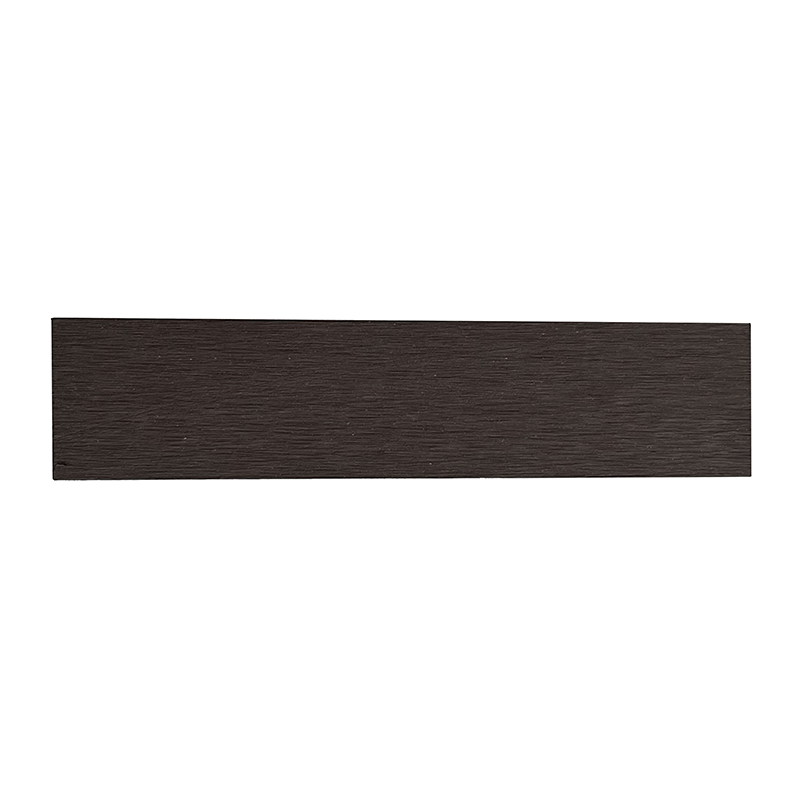
In B2B procurement, the stakes always remain high. A flawless sample never guarantees bulk order consistency automatically. Buyers often treat sample evaluation as a simple aesthetic check. You must view it as a critical risk-mitigation exercise instead. Misjudging a prototype can ruin entire project timelines. Structuring your sample evaluation around verifiable physical tests, precise specifications, and supplier transparency is crucial. This approach serves as the only reliable way to validate a WPC pergola before committing massive capital to a bulk run. You will learn how to bypass standard visual traps. We will explore physical stress tests, hardware compatibility checks, and essential vendor vetting methods. You will gain a practical framework for making safe procurement decisions.
Key Takeaways
Superficial aesthetic checks are insufficient; buyers must test for density, moisture absorption, and hardware compatibility.
A sample must be strictly cross-referenced against the official WPC pergola specifications to avoid "golden sample" traps.
Evaluating the WPC pergola supplier's production capacity and quality control standards is just as critical as testing the physical material.
Standardized material tests used for wpc decking and wpc rail boards apply directly to assessing pergola profile durability.
The "Golden Sample" Risk: Why Standard Visual Checks Fail
Suppliers desperately want to impress you during the early sales stages. They often hand-pick perfect samples from their production runs. Factory workers may even polish these units manually. This hides normal production flaws entirely. You receive a completely false impression of their standard manufacturing quality. You must assume your sample represents the top one percent. The rest of the batch will likely look quite different. Relying on this single perfect piece introduces massive project risk.
Wood plastic composites contain natural wood fibers. This inherently creates slight color variations across different batches. You must define acceptable tolerances early in the purchasing process. Fading naturally happens under prolonged sunlight exposure. Texture depth also varies across large mass-produced batches. You should establish a strict five to ten percent variance limit. Any major tonal shift beyond this requires a formal quality control dispute.
Do not rely solely on visual appeal. You must match the physical piece exactly to the quoted WPC pergola specifications. Measure the profile thickness carefully using digital calipers. Check the internal core structure thoroughly. Weigh the material per linear foot to confirm density. If the physical sample deviates from the paper specifications, you must halt the order immediately.
You can take specific actionable steps to prevent nasty surprises. Always request unedited factory-line photos. Ask the vendor for pictures from their active production floor.
Request photos of raw materials entering the extrusion machines.
Ask for video clips of profiles being cut on the line.
Demand images of packaged goods sitting in the warehouse.
Compare these unedited photos to your pristine physical sample. This baselines your realistic expectations effectively.
Physical Stress Tests for WPC Pergola Profiles
You need to calculate accurate weight-to-volume ratios. This mathematical check reveals the true material mixture. High-quality profiles balance natural wood fiber and high-density plastics perfectly. Lower density warns you about excessive cheap fillers. Cheap fillers compromise structural stability severely. You can weigh the sample precisely on a digital scale. Divide this weight by the calculated volume. Compare this density metric against recognized industry standards.
Wood plastic composite materials resist water naturally. However, they are rarely completely waterproof. You should conduct a practical boiling test. Submerge the sample piece in boiling water for exactly two hours. Alternatively, use a twenty-four-hour room temperature submersion test. Measure the swelling percentage immediately afterward. Material swelling significantly will warp under real outdoor conditions. High-quality composites show almost zero dimensional change after soaking.
Pergolas face incredibly harsh elemental exposure year-round. They require exceptional structural rigidity to survive high winds. You should expect performance metrics similar to premium wpc decking. You can also benchmark these samples against heavy-duty wpc rail boards. These foundational products share core material properties. Standardized weathering tests used for deck boards apply directly here. Pergola profiles, however, require even stricter rigidity standards due to their overhead application.
Evaluating Structural Integrity and Hardware Compatibility
Hollow beams differ significantly from solid beams. You must analyze the internal geometry closely. Hollow profiles need remarkably thick inner walls. Thicker walls prevent structural sagging over wide spans. Solid profiles bear much more weight overall. However, they weigh more and complicate the installation process. You must match the internal structure to your specific load requirements.
Table: Load-Bearing Indicators by Profile Type
Profile Geometry
Key Structural Indicator
Ideal Application
Primary Risk Factor
Solid Beam
Overall density and absolute weight
Heavy-duty support columns
Excessive weight straining connections
Hollow Beam (Thick Wall)
Inner wall thickness exceeding 5mm
Wide overhead spanning cross-beams
Crushing under overtightened bolts
Hollow Beam (Thin Wall)
Internal cross-bracing ribs
Lightweight decorative top louvers
Sagging over distances exceeding 3 meters
Pergolas require heavy metal brackets for safe assembly. You must test standard screw retention yourself. Drive heavy-duty hardware directly into your sample piece. Unscrew the hardware immediately. The material must grip those metal threads tightly. It should never split, crack, or crumble during this test. Edge cracking indicates brittle, low-quality plastic blends. Poor fastener retention leads to catastrophic structural failures outdoors.
Outdoor structures expand rapidly in intense summer heat. They contract sharply during winter freezing. You must test specific temperature reactions. Place the sample inside a deep freezer overnight. Move it directly into hot, direct sunlight the next morning. Observe the material for any micro-cracks. Joints and metal brackets must never snap under this thermal expansion pressure. High-quality composites flex slightly without breaking.
Validating Supplier Certifications and Compliance
A physical sample only tells half the story. Verifiable certifications back up the actual bulk run. You need documented proof of long-term quality. Do not trust verbal vendor promises. A beautiful sample means nothing without corresponding lab reports. You must demand full transparency regarding third-party testing.
Sunlight degrades composite materials slowly over time. Demand third-party lab results immediately. Respected laboratories like SGS and Intertek provide reliable testing data. They test UV resistance continuously over two thousand hours. This rigorous process guarantees long-term colorfastness. Without this report, your dark brown pergola might turn pale gray within a single year.
Pergolas represent large, heavy overhead structures. They catch heavy wind gusts easily. Snow accumulates heavily on flat louvers or horizontal beams. Confirm the engineering specifications thoroughly. The provided ratings must meet your local building codes. You must verify structural wind and snow load capacities.
Check maximum wind speed ratings verified by engineers.
Confirm structural snow load limits per square meter.
Review seismic safety ratings for the connecting brackets.
Wood plastic composites utilize recycled plastics frequently. Some careless factories use contaminated plastic scrap. Verify the source materials carefully. Ensure no hazardous chemical off-gassing occurs under hot sun. Look for formal REACH or RoHS compliance documents. Environmental safety remains critical for residential garden structures.
Vetting the WPC Pergola Supplier for Bulk Scalability
Use the initial sample phase smartly. It tests the WPC pergola supplier completely. Monitor their communication speed during the sampling process. Check their internal packaging standards when the box arrives. Evaluate their global logistics efficiency. Slow sample delivery often predicts massive bulk order delays. Messy sample packaging indicates careless warehouse management.
Ask detailed questions about their in-line inspection processes. How do they track manufacturing defects exactly? You want to know their specific quality assurance methods. They must ensure the five hundredth unit matches your approved sample perfectly. Request a blank copy of their standard daily inspection checklist. Reliable factories share these documents gladly.
Read the official warranty fine print carefully. Scrutinize the terms attached to your specific sample. Unreliable suppliers often hide tricky exclusions inside long paragraphs. Look specifically for clauses regarding structural sagging. Check for harsh commercial use limitations. A strong, transparent warranty proves real manufacturing confidence. Vague language signals potential future disputes.
You must finalize the acceptable variance in your official purchasing contract. Document every single test result clearly. Take photographs of your boiling tests and screw retention trials. Attach these findings to the final purchase agreement. This creates a binding, undeniable standard.
Conclusion
A rigorous sample comparison separates reliable manufacturing partners from high-risk vendors. You cannot afford to skip physical stress tests or certification checks. Superficial visual inspections leave your business exposed to catastrophic quality failures. Real risk mitigation demands verifying density, moisture resistance, and structural grip.
You must document your sample test results meticulously. Finalize the exact acceptable variance within your formal purchasing contract. Request a small trial run before committing to a full container load. This step-by-step validation protects your capital and preserves your brand reputation.
FAQ
Q: How much variance in color is acceptable between a WPC pergola sample and a bulk order?
A: A 5-10% variance is standard due to natural wood fiber composition, but any major tonal shift should trigger a QC dispute. Natural fibers absorb dyes differently across production runs. You should establish baseline acceptable color swatches before finalizing the contract.
Q: Should hollow and solid WPC pergola samples be tested differently?
A: Yes. Solid profiles require strict density checks, while hollow profiles must be checked for inner-wall thickness and crush resistance. Solid beams need verification against cheap filler overload. Hollow beams need physical pressure testing to ensure they will not collapse under hardware torque.
Q: How long should I test a WPC sample for water absorption?
A: A 24-hour full-submersion test at room temperature, or a 2-hour boiling water test, provides accurate immediate data on moisture resistance. Always weigh the sample before and after. High-quality composites will show less than a 1% increase in overall mass.
Q: Can I use WPC decking standards to evaluate a pergola sample?
A: While the base material shares testing standards for weathering and absorption, pergola profiles require stricter tests for fastener retention and span rigidity due to their overhead application. Decking rests on joists, but pergola beams must support their own weight across open air.