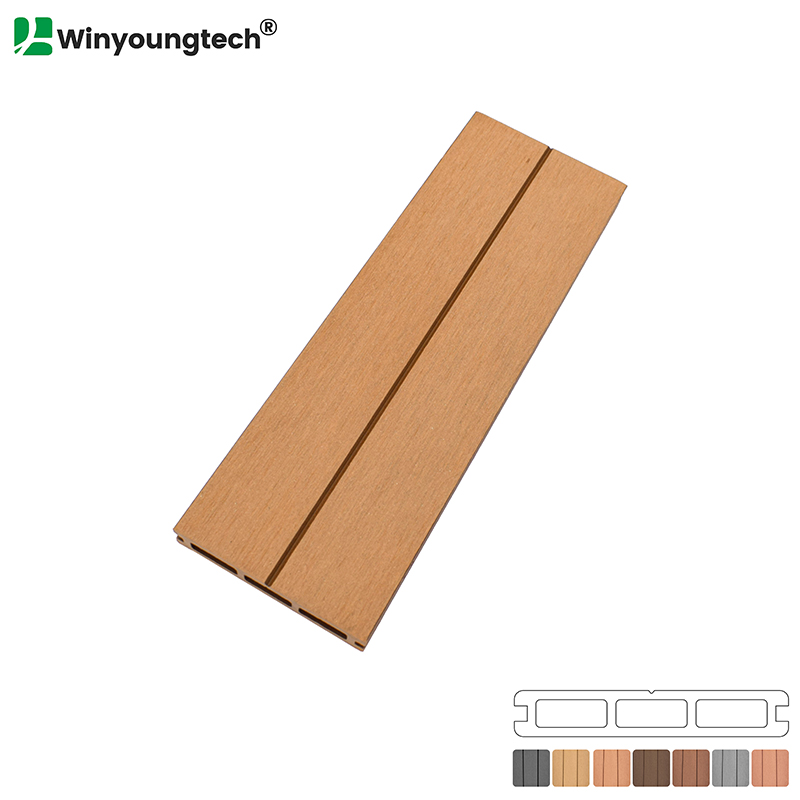
Property owners and landscaping contractors constantly face a difficult balancing act. You need high-level visual privacy and beautiful architectural aesthetics. At the same time, you demand absolute long-term structural durability. Traditional materials consistently fail to meet these combined needs. Untreated wood inevitably rots after just a few harsh winters. Standard vinyl cracks under intense wind pressure and fades drastically in the sun. These hidden long-term costs frustrate buyers. You expect lasting performance from your property investments. Fortunately, rapid innovation in landscape engineering has produced a superior alternative. We introduce the WPC fence as a highly reliable outdoor fence solution. Manufacturers designed it to actively solve the structural and aesthetic challenges found in modern yard design. In this comprehensive guide, you will learn exactly how these advanced materials outshine legacy options. We will explore core mechanical advantages, acoustic properties, and design flexibility. Finally, you will discover actionable evaluation criteria to help you choose the best configuration for your property.
Key Takeaways
Total Privacy Control: Interlocking tongue-and-groove WPC designs eliminate sightlines and enhance acoustic barriers compared to traditional picket or slatted styles.
Architectural Flexibility: Co-extruded (capped) surface technologies allow for authentic wood-grain textures that resist UV fading and complement modern landscape designs.
Superior ROI & TCO: While upfront costs may be higher than treated pine, the 15-to-25-year lifespan and zero-staining requirements drastically lower the Total Cost of Ownership (TCO).
Structural Resilience: Engineered to withstand severe weather, modern composite fencing offers superior wind-load resistance when installed with reinforced aluminum posts.
The Core Mechanics: Why a Wood Plastic Fence Outperforms Traditional Materials
Overcoming Wood and PVC Limitations
Organic wood brings undeniable rustic beauty to outdoor spaces. However, it also brings constant and expensive maintenance. Wood suffers terribly from seasonal moisture damage. It naturally attracts termites and boring insects. You must stain, paint, and seal wooden boards cyclically just to prevent deep rot. Standard PVC and vinyl present entirely different flaws. These plastics turn highly brittle in sub-zero freezing temperatures. They often look hollow, cheap, or artificial upon close inspection. Furthermore, large vinyl panels easily snap under severe wind shear. Property owners desperately need materials capable of resisting these elemental threats without demanding weekend labor.
The WPC Material Advantage
Engineers create a wood plastic fence using a highly specific hybrid blend. They combine recycled organic wood fibers and high-density polymers. This precise mixture neutralizes the rotting risks typically associated with natural timber. The polymer content repels moisture entirely. It blocks insects from burrowing into the core. Meanwhile, the wood fibers provide significant structural stiffness. Standard plastics lack this inherent rigidity and frequently bow under their own weight. This unique synergy creates a remarkably stable, impact-resistant barrier. You get the visual warmth of natural timber combined directly with the resilience of modern polymers.
Engineering Total Privacy for Residential and Commercial Spaces
Gapless Interlocking Systems
Privacy remains a top priority for most residential property owners. Traditional wooden planks shrink as they dry and age. This unavoidable shrinkage creates unwanted gaps between the boards. These gaps expose visual sightlines to neighbors and pedestrians. Modern garden fence panels utilize highly engineered tongue-and-groove profiles to prevent this. Installers simply slide these robust panels together. They use overlapping installation methods designed to block all visual access completely. You achieve a seamless, completely gapless wall. This interlocking mechanic also prevents individual panels from rattling loosely during heavy storms.
Acoustic Dampening Properties
Visual privacy only solves half the problem for homeowners. Street noise frequently disrupts outdoor backyard tranquility. Hollow vinyl panels do very little to deflect passing sound waves. Sound easily penetrates thin plastic barriers. Conversely, the dense composite core provides superior acoustic dampening. It creates a heavy, solid mass. This mass actively reflects and absorbs ambient neighborhood noise. You gain a noticeably quieter backyard or commercial courtyard. While no barrier blocks street noise completely, this density offers a massive improvement over traditional slatted designs.
Height and Compliance Scalability
Local municipal zoning laws dictate strict boundary height limits. You might need a precise 6-foot barrier for your side yard. You might need an 8-foot barrier facing a busy commercial alley. Manufacturers design modular installation frameworks for exactly this reason. You can scale the vertical height easily. This scalability never compromises the underlying structural integrity. Installers stack the standardized boards to meet specific local codes perfectly. This modular adaptability ensures your project remains fully legally compliant. It allows you to maximize vertical coverage exactly where you need it most.
Elevating Landscape Design with Composite Fencing
Capped vs. Uncapped WPC Technology
Material science surrounding composites has evolved significantly over the last decade. Early generation materials lacked exterior surface protection. Today, top manufacturers utilize advanced co-extrusion technology. This complex process creates capped WPC. The extrusion machine wraps the inner core material in an impermeable outer polymer shield. This advanced shield locks in the pigment color. It actively resists grease, dirt, and water stains. Uncapped options still exist in lower price tiers. However, capped variants offer vastly superior visual longevity. They require zero protective chemical treatments over their entire lifespan.
Texture and Color Integration
Aesthetic expectations for modern homes have never been higher. Contemporary panels easily mimic expensive exotic hardwoods like teak, walnut, and ipe. If you prefer modern minimalist exterior architecture, you have excellent choices. You can select modern matte tones like charcoal, slate gray, and crisp white. This deep color integration ensures your new enclosure complements your broader landscape design perfectly. A beautifully textured composite fencing layout elevates your entire property value. It seamlessly blends structural security seamlessly into premium outdoor styling.
Dual-Sided Aesthetics
Traditional wooden barriers almost always feature a distinctive ugly side. This side exposes horizontal structural rails and raw posts. This unbalanced look often sparks frustrating disputes between adjoining neighbors. Premium composite panels look absolutely identical from both sides. They deliver a flawless, elegant finish regardless of your viewing angle. This dual-sided beauty dramatically improves your overall property curb appeal. It keeps both you and your neighbors happy. Everyone enjoys a clean, professionally finished architectural surface.
Assessing Durability and Storm-Resistant Performance
Wind-Load Engineering
Extreme weather concerns drive many crucial purchasing decisions today. Standalone untreated wood posts easily snap during high-velocity wind events. To combat this structural weakness, professional installers pair composite panels alongside reinforced aluminum posts. They may also use heavy-duty steel inserts inside the main structural posts. This hybrid combination offers remarkable storm resistance. The rigid metal framework anchors the dense composite panels firmly to the earth. It distributes heavy wind-load pressure evenly across the entire structure. This engineering prevents catastrophic blowouts during rough hurricane seasons.
Managing Thermal Expansion
Proper implementation dictates the long-term success of your barrier. These specialized materials expand and contract slightly as ambient temperatures fluctuate. You must anticipate and manage this thermal expansion carefully. Professional installers use dedicated U-channel installations. They intentionally leave specific expansion gaps between the boards and the vertical posts. These tiny gaps prevent the boards from warping, buckling, or shattering under intense summer heat. Overlooking this vital expansion gap remains a very common mistake among inexperienced contractors.
UV Resistance and Color Fastness
You should always set realistic expectations regarding long-term color fading. Uncapped products will invariably experience slight initial lightening during their first few months outdoors. The intense sun bleaches the exposed wood fibers slightly. After this short initial phase, the color stabilizes permanently. Capped products perform much differently under UV stress. Their engineered protective shield maintains over 95% total color retention over a full decade. They easily handle intense daily sun exposure without degrading, chalking, or losing their rich visual depth.
Cost-to-Value Analysis and Shortlisting Logic
Initial Investment vs. Lifetime Cost
We must provide a transparent, honest cost comparison. You will face a higher initial capital outlay compared to basic pine or standard PVC. However, you must carefully factor in the massive maintenance offset over a full 20-year lifecycle.
Material Type
Initial Capital Outlay
Required Routine Maintenance
20-Year Lifetime Value
Treated Pine Wood
Low
Staining, sealing, rot repair, pest control
Low (High cyclical labor costs)
Standard Vinyl/PVC
Medium
Washing, patching cracks, panel replacement
Medium (Prone to sudden wind damage)
Composite Panels (Capped)
High
Occasional gentle soap and water washing
High (Zero chemical staining required)
When you eliminate expensive paint, toxic stain, waterproof sealant, and replacement labor, the long-term financial math changes completely. It clearly favors the modern composite solution. You spend your weekends enjoying your yard rather than repairing it.
Evaluation Criteria for Buyers
What specific features should you look for when shortlisting potential suppliers? You need to systematically evaluate the physical product features. Use this checklist to guide your final purchasing decisions:
Certified wind-load ratings: Ensure the mounting system safely handles local storm conditions and sudden wind shears.
Comprehensive warranty structures: Always check if the manufacturer warranty is prorated or non-prorated over its stated lifespan.
Co-extruded protective shields: Verify the presence of a capped outer layer for maximum stain and fade resistance.
Aluminum structural reinforcement: Confirm the main anchor posts include adequate internal metal inserts for superior rigidity.
Tongue-and-groove profiles: Check the board edges interlock deeply to guarantee absolute visual privacy.
Following these practical evaluation steps actively protects your initial financial investment. It ensures you receive genuine value from your landscape upgrade.
Conclusion
Selecting the right boundary material dramatically impacts your daily outdoor experience. A modern composite barrier remains the optimal choice for buyers prioritizing absolute visual privacy, high-end architectural aesthetics, and long-term durability. It easily outperforms traditional timber and basic vinyl regarding structural resilience and acoustic dampening. While the initial investment runs higher, the complete elimination of chemical maintenance ensures a superior lifetime value. You secure a beautiful, reliable perimeter demanding almost no weekend labor.
We highly encourage you to request physical material samples directly from reputable manufacturers. Consult directly with an experienced installation expert to assess your specific wind-load requirements accurately. Evaluate your local zoning heights and preferred color palettes before finalizing your order. Taking these proactive steps guarantees a flawless, long-lasting installation for your property.
FAQ
Q: Does a WPC fence require any maintenance?
A: Yes. Low maintenance does not mean zero maintenance. You must wash the panels occasionally using warm water and mild dish soap to remove surface dirt and pollen. However, you never need to sand, paint, seal, or stain the boards. This completely eliminates the heavy manual labor associated with organic timber.
Q: Can composite fencing withstand severe storms and high winds?
A: Yes, it performs exceptionally well in severe weather. However, wind resistance depends heavily on proper structural installation. You must use appropriately spaced reinforced aluminum posts or internal steel inserts. The heavy composite panels rely on this strong metal framework to distribute intense wind loads safely.
Q: How does the cost of a wood plastic fence compare to vinyl?
A: The initial purchase price generally sits higher than standard hollow vinyl panels. You pay a premium for the dense core and authentic wood-grain aesthetic. Despite the higher upfront cost, composite options last significantly longer. They offer far superior aesthetic value and resist cracking much better than brittle vinyl.
Q: Will the color fade over time?
A: This depends entirely on the specific product generation. First-generation uncapped panels experience slight natural weathering and lightening during their first few months outdoors. Conversely, modern capped panels feature a co-extruded polymer shield. This advanced shield locks in the pigment, providing excellent color-locked performance for decades.