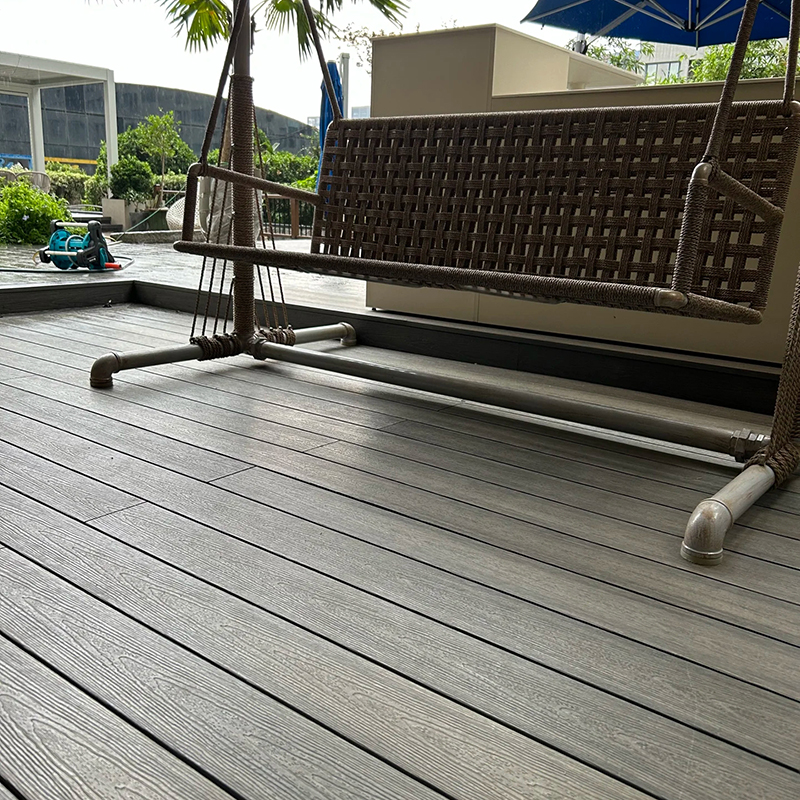
Upgrading to a new outdoor flooring solution involves high stakes and significant upfront costs. Your final choice directly dictates maintenance requirements for the next 25 years or more. Many homeowners simply debate traditional wood versus synthetic alternatives. However, the current engineered materials landscape is far more complex. Performance, aesthetics, and pricing vary wildly across brands and product tiers. You need a skeptical, evidence-based framework to properly evaluate modern composite deck boards. Our guide balances long-term durability against budget constraints and installation realities. You will learn how core materials impact moisture resistance. You will discover why structural profiles matter for your substructure. We will also help you decode misleading warranties to ensure your investment lasts.
Key Takeaways
The primary differentiator in modern composite decking is the "cap" (uncapped vs. 3-sided vs. 4-sided), which dictates stain, fade, and scratch resistance.
Board profiles (solid vs. scalloped/hollow) significantly impact structural requirements, weight, and overall project budget.
True cost evaluation must include specialized hidden fasteners, specific joist spacing, and lifetime maintenance, not just the per-board price.
"Maintenance-free" is a myth; low-maintenance is the reality. Proper evaluation requires testing physical samples for heat retention, traction, and color variance.
Defining Success Criteria for Your Outdoor Flooring Solution
Before purchasing materials, you must define what success looks like for your specific property. Many buyers focus heavily on initial color choices. They often ignore how regional climates and physical textures impact long-term satisfaction.
Lifespan Expectations Based on Climate
You must define realistic longevity based on your local environment. Regional climates stress engineered materials in distinct ways. Intense UV exposure breaks down polymer bonds over time. This exposure accelerates fading and can cause surface brittleness. Freeze-thaw cycles present a different challenge. Moisture penetrates microscopic surface cracks, freezes, and expands. This expansion stresses the internal core. High humidity environments promote mold growth. They particularly affect boards containing high ratios of organic wood fibers. Set your lifespan expectations by matching material grades to your specific weather patterns. A premium board in a mild climate easily lasts 30 years. That same board might show significant wear after 15 years in extreme alpine conditions.
Aesthetic vs. Performance Trade-offs
Manufacturers constantly push for higher-fidelity wood-grain texturing. Deeply embossed boards look incredibly authentic. They mimic the natural variations of genuine timber. However, these aggressive textures introduce performance trade-offs. Deep grooves easily trap dirt, pollen, and spilled food. They require more frequent scrubbing to remain clean. Conversely, highly textured surfaces sometimes reduce slip resistance when wet. Water pools inside the artificial grain patterns. Smooth boards offer easier cleaning but look distinctly synthetic. You have to balance visual appeal against your willingness to perform routine cleaning.
Best Practices for Evaluating Trade-offs
Order physical samples before making a final decision.
Pour water over the textured surface to observe drainage.
Rub soil into the grain and test how easily it washes out.
Material Architecture: Decoding Composite Deck Boards
The internal engineering of composite decking determines its survival rate against nature. Modern boards consist of a core matrix and a protective outer layer. Understanding this architecture prevents costly purchasing mistakes.
First-Gen vs. Next-Gen Capping Technology
The "cap" is a resilient polymer shell fused to the core material. This shell acts as the primary defense mechanism against the elements. Industry standards categorize boards by their capping coverage.
Uncapped Composites: These represent first-generation technology. They remain budget-friendly but highly vulnerable. Uncapped boards lack a protective polymer shell. They absorb moisture, stain easily, and harbor mold. Top brands have largely phased them out. However, you still find them in budget retail lines. Avoid uncapped boards for primary residential spaces.
3-Sided Capped: This profile protects the top surface and the two side edges. The bottom remains exposed core material. They are highly cost-effective for standard elevated structures. The exposed bottom allows the core to breathe. However, this design exposes the bottom to rising moisture. Never use 3-sided boards for ground-level installations or low-clearance framing.
4-Sided Capped: These boards represent premium engineering. Manufacturers fully encapsulate the core in a protective shell. They offer maximum moisture resistance. Four-sided capping is ideal for near-water environments, pool surrounds, and ground-level patios. They cost more but provide the highest level of structural security against rot.
Core Compositions and Ratios
Manufacturers blend recycled wood fibers and plastic polymers to create the board core. The specific ratio dictates how the board behaves under stress. High-density polyethylene (HDPE) and polyvinyl chloride (PVC) are the most common plastics used. A core heavy in wood fibers feels stiffer and cuts more like traditional lumber. Unfortunately, higher organic content increases moisture absorption risk. A core heavy in plastic polymers resists water brilliantly. However, high-plastic boards experience greater thermal expansion. They grow and shrink significantly as temperatures fluctuate. You must account for this movement during installation by leaving adequate gaps between ends.
Structural Profiles: Solid vs. Scalloped vs. Hollow
Beyond the chemical composition, the physical shape of the board dictates its application limits. Board profiles influence structural rigidity, overall project weight, and installation complexity.
Board Profile Comparison Matrix
Profile Type
Primary Advantage
Notable Disadvantage
Best Use Case
Solid Boards
Superior structural rigidity and authentic wood feel
Heaviest option; highest price point
Complex custom designs, stair treads, and curved edges
Scalloped Boards
Lighter weight; reduced material costs
Can amplify footsteps; exposed ends look unfinished
Standard residential platforms and DIY installations
Hollow Boards
Extremely lightweight; lowest cost
Requires specific end-caps; holds water if improperly pitched
Basic pathways and low-budget temporary structures
Solid Boards
Solid profiles feature a continuous core material from edge to edge. They feel dense underfoot and cut exactly like real wood. This density provides superior structural rigidity. You need solid boards for complex designs requiring curves or specialized routing. They are mandatory for picture-framing borders and stair treads. The primary downside is weight. Solid boards are incredibly heavy. They require a robust substructure and strong backs to install. They also command the highest price point in any product line.
Scalloped (Grooved-Bottom) Boards
Manufacturers remove material from the underside of scalloped boards. This creates continuous longitudinal grooves. Scalloping reduces overall weight and lowers material costs. DIYers find them much easier to handle and transport. They still maintain excellent span strength for standard platforms. However, scalloped boards introduce specific challenges. The hollowed-out bottom can amplify noise. Footsteps sometimes sound hollow or plasticky. Furthermore, you cannot use them as overhangs or stair treads. The ugly grooved ends remain visible unless covered by additional fascia boards.
Hollow Boards
Hollow profiles feature large internal channels running the length of the board. They are extremely lightweight and represent the absolute lowest cost category. The internal channels allow builders to run low-voltage wiring for lighting. Despite these benefits, hollow boards carry significant risks. They possess the lowest impact resistance. Heavy dropped items can puncture the surface. They also require specialized end-caps to hide the hollow tubes. These caps frequently pop off over time. If you fail to pitch the framing correctly, water accumulates inside the channels. Trapped water freezes in winter and destroys the board from the inside out.
Core Evaluation Dimensions for Durable Decking
You cannot evaluate durable decking by looks alone. Engineered materials behave differently than natural timber under daily environmental stress. Focus your evaluation on four critical physical dimensions.
Thermal Performance (Heat Retention)
Engineered materials get significantly hotter than natural wood. Dense plastic polymers retain thermal energy. Darker colors absorb massive amounts of solar radiation. On a 90-degree summer day, a dark composite surface can easily exceed 140 degrees Fahrenheit. This temperature burns bare feet instantly. If your area receives direct afternoon sun, you must employ mitigation strategies. Choose lighter color palettes like cool grays or pale tans. Alternatively, investigate specific PVC blends. Advanced cellular PVC dissipates heat faster than standard wood-plastic blends.
Slip Resistance
Traction keeps your family safe. Standard plastic surfaces become incredibly slick when wet. Evaluate traction ratings before purchasing. Look for products claiming ADA compliance for slip resistance if you live in rainy climates. Highly textured surfaces generally improve grip. However, as noted earlier, aggressive texturing traps dirt. Test slip resistance yourself. Order sample pieces, wet them down, and drag a rubber-soled shoe across the surface. Pay special attention to traction if you are building near a pool or hot tub.
Scratch and Indentation Resistance
Your surface faces constant physical abuse. Dog claws, dragged patio furniture, and dropped barbecue tools threaten the finish. First-generation materials scratched easily and permanently. Modern premium boards utilize hard-shell technology. Manufacturers blend advanced acrylics into the outer cap. This creates a surface highly resistant to abrasions. Take a house key to your physical samples. Drag the key firmly across the grain. Observe whether the cap scratches deeply or just shows a superficial scuff. Evaluate indentation resistance by pressing a heavy, blunt object into the sample.
Fade Resistance and Color Validation
All outdoor materials fade. The sun's UV rays inevitably break down pigments. However, modern engineered caps control this fading process predictability. Expect a 10-15% initial color lightening during the first three months. The industry calls this the weathering process. The boards shed surface tannins and adjust to the UV exposure. After this initial weathering period, the color stabilizes. High-quality boards maintain this stabilized color for decades. Be aware of this process. Do not panic if your dark brown surface lightens slightly during its first summer.
Matching the Material to Specific Patio Decking Scenarios
Selecting the right patio decking requires context. You must match the material strengths to your specific daily usage. Consider these three common residential scenarios.
1. Poolside or High-Moisture Environments
Poolside areas face constant splashing, chlorinated water, and high ambient humidity. Ground-level installations trap moisture underneath the framing. Traditional materials rot quickly here. Recommendation: Use 4-sided capped boards or 100% PVC-based materials. Full encapsulation prevents moisture from attacking the core. Prioritize products with deep, aggressive texturing to maximize slip resistance for wet, bare feet.
2. High-Traffic and Pet-Heavy Homes
Large dogs and constant entertaining inflict heavy mechanical wear. Uncapped or thinly capped budget boards will look ruined within three years. Scratches accumulate and collect dirt. Recommendation: Invest in premium 3-sided or 4-sided capped boards featuring hard-shell technology. Prioritize scratch resistance above all other metrics. A slightly higher upfront cost prevents premature replacement. Select a mid-tone color to hide moderate dust and paw prints.
3. Budget-Conscious Upgrades
Many homeowners want to escape annual staining chores but face strict budget limits. They need a functional upgrade without premium pricing. Recommendation: Select scalloped, 3-sided capped boards. The scalloped profile reduces material costs significantly. The 3-sided cap provides adequate protection for standard, elevated structures. You trade off a slightly hollow sound and reduced rigidity. However, you successfully achieve your low-maintenance goal without overspending.
Implementation Risks and Warranty Traps
Even the finest materials fail if installed incorrectly. Many homeowners overlook the hidden structural requirements of engineered boards. They also misinterpret manufacturer promises.
Substructure Requirements and Joist Spacing
Engineered boards lack the structural spanning strength of natural timber. Traditional wood framing utilizes 16-inch joist spacing. While some heavy solid composite boards tolerate 16-inch spacing, many do not. Upgrading often requires reinforcing the substructure. If you install boards on a diagonal pattern, manufacturers universally mandate 12-inch joist spacing. Some commercial warranties demand 12-inch spacing regardless of the pattern. Failing to follow spacing guidelines results in a bouncy, sagging surface. It also immediately voids your manufacturer warranty.
Fastening Systems and Thermal Movement
You must choose between hidden fasteners and color-matched face screws. Hidden fasteners slide into the side grooves of the boards. They clip directly to the joists. They provide a clean, unblemished aesthetic. Face screws drive directly through the top surface. Fastening choices impact how boards handle thermal expansion. Plastic-heavy boards expand and contract violently. Hidden clips allow the boards to slide slightly back and forth as temperatures change. Face screwing locks the board in place. This locking forces the board to warp or shear the screw heads during extreme thermal expansion. Always follow manufacturer fastening guidelines specifically tailored to their polymer blends.
Common Mistakes with Fasteners
Using standard wood screws instead of specialized reverse-thread composite screws.
Driving face screws too close to the board ends, causing mushrooming or splitting.
Marketing brochures boldly advertise "25-Year Stain and Fade Warranties." Read the fine print carefully. Most warranties pro-rate over time. If a board fails in year 15, the manufacturer might only cover 40% of the replacement material cost. Furthermore, warranties rarely cover the labor cost of tearing out and replacing defective boards. They only provide raw materials. Ensure you understand what constitutes a valid claim. Spilling harsh chemicals or dragging heavy metal furniture often voids the stain and scratch protections. Frame your expectations around proper maintenance, not impenetrable warranty coverage.
Conclusion
Selecting the right engineered material requires more than picking a pretty color. You must carefully balance your budget against essential structural needs. Solid boards offer rigidity, while scalloped profiles save money. You must acknowledge environmental realities. Capping layers dictate your defense against moisture, UV rays, and daily wear. High-quality 4-sided caps survive the worst climates, while uncapped boards invite rapid degradation.
Your next step requires physical action. Do not buy materials based solely on digital photos. Order sample boxes from two or three shortlisted brands. Leave these samples in direct afternoon sunlight to gauge heat retention. Drag a heavy key across the surface to test scratch resistance. Pour water over them to verify traction. Testing the physical limits of these materials ensures you make a confident, lasting investment.
FAQ
Q: Does composite decking get too hot to walk on barefoot?
A: Yes, engineered materials can become uncomfortably hot. In direct peak summer sun, darker colors retain significant thermal energy and can burn bare feet. If your space receives heavy afternoon sun, choose lighter colors. You can also look for advanced PVC blends, which dissipate heat faster than standard wood-plastic mixtures.
Q: Can I put composite deck boards over an existing wood frame?
A: Yes, you can reuse an existing frame. However, the pressure-treated joists must be structurally sound, level, and properly spaced. Ensure the joist spacing meets the specific requirements of your new boards. We highly recommend applying flashing tape over the old joists before installation to protect them from future moisture damage.
Q: What is the actual maintenance required for a composite deck?
A: Routine maintenance requires semi-annual cleaning. Use mild soap, warm water, and a soft-bristle brush to remove dirt and pollen. You can also use specialized engineered-board cleaners. Avoid harsh power washing, as high-pressure streams can permanently damage or etch the protective polymer cap.
Q: Is PVC decking the same as composite decking?
A: No, they utilize different core materials. Composites blend organic wood fibers with plastic polymers. PVC boards are 100% synthetic, containing zero organic material. PVC offers higher moisture resistance, less weight, and cooler surface temperatures. However, PVC materials generally come at a higher premium price point.