In the world of modern architecture, the exterior façade of a building is often as important as its interior design. The façade not only determines a building’s first impression but also plays a critical role in its overall functionality, energy efficiency, and long-term sustainability. Over the years, architects and designers have embraced a wide range of materials for façades, but one material that is steadily gaining popularity for both commercial and residential projects is wood composite. Known for its blend of aesthetic appeal, durability, and sustainability, wood composite facades are revolutionizing the way we think about exterior cladding.
In this article, we’ll explore the innovative uses of wood composite façades in both commercial and residential projects. We’ll discuss the material’s benefits, why it’s gaining popularity, and how it’s being creatively used to transform building exteriors.
What are Wood Composite Facades?
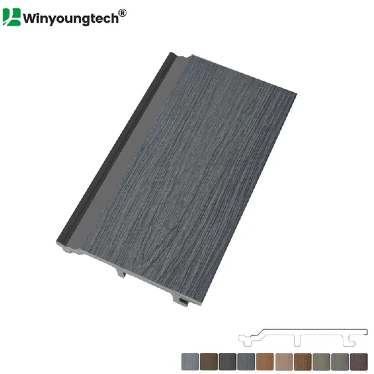
Wood composite façades are building exteriors made from a blend of wood fibers and polymer materials, often referred to as Wood Plastic Composite (WPC) or Wood Polymer Composite (WPC). The wood fibers, typically sourced from recycled wood or sawdust, are combined with plastic polymers like polyethylene, polypropylene, or PVC to create a highly durable, moisture-resistant material that mimics the appearance of natural wood.
This combination results in a material that looks and feels like wood but is more durable and low-maintenance. Wood composite panels come in various textures, colors, and finishes, making them highly customizable for a variety of design styles, from traditional to contemporary.
Why Choose Wood Composite Facades?
Before we dive into innovative uses, it’s essential to understand why wood composite façades are becoming such a popular choice for architects, designers, and property owners.
1. Durability and Performance
One of the standout features of wood composite façades is their exceptional durability. Unlike traditional wood, which is susceptible to damage from moisture, termites, UV rays, and wear, wood composite façades are engineered to withstand the elements without degrading over time.
Moisture Resistance: Wood composite panels do not absorb water, making them highly resistant to mold, mildew, and rot. This is particularly important for buildings in humid or rainy climates.
UV Resistance: Sun exposure can cause natural wood to fade and crack. However, wood composite panels are designed to resist UV radiation, meaning they maintain their color and finish over time without frequent touch-ups.
Pest Resistance: Wood composite panels are impervious to termites and other pests that can damage traditional wood. This provides peace of mind, especially in areas where wood-destroying insects are prevalent.
2. Low Maintenance
Wood composite façades are extremely low-maintenance compared to their natural wood counterparts. Traditional wood requires regular staining, sealing, and painting to protect it from the elements. In contrast, wood composite panels do not require the same level of upkeep.
No Frequent Sealing or Staining: WPC panels maintain their finish and color without the need for re-sealing or staining, which helps reduce long-term maintenance costs.
Easy to Clean: Cleaning wood composite façades is easy, requiring only occasional washing with soap and water. Unlike wood, which can absorb dirt and grime, composite panels have a smooth, non-porous surface that resists buildup.
3. Sustainability
As environmental concerns continue to drive the construction industry, sustainability has become a priority for many architects and property owners. Wood composite materials are an eco-friendly alternative to traditional wood, offering several environmental benefits:
Recycled Materials: Many wood composite panels are made from recycled wood fibers and plastics, reducing waste and conserving natural resources.
Longer Lifespan: The durability of wood composite façades means they will need to be replaced less frequently than traditional materials, reducing the overall environmental impact of building maintenance.
Sustainable Sourcing: The wood fibers used in composite panels are often sourced from sustainable forests or recycled wood, ensuring that the material does not contribute to deforestation.
Innovative Uses of Wood Composite Facades in Commercial Projects
Wood composite façades have made significant strides in commercial architecture, where durability, low maintenance, and aesthetic appeal are key considerations. Here are some creative ways wood composite façades are being used in commercial projects:
1. Modern Office Buildings
In the design of modern office buildings, the exterior is a reflection of the company’s identity and values. Wood composite façades can give office buildings a sleek, contemporary look while providing superior performance and environmental benefits.
Architectural Appeal: Wood composite panels are available in a variety of colors and textures, including finishes that mimic natural wood, making them perfect for creating a visually striking and welcoming exterior. For instance, a building might feature a combination of wood composite panels in natural tones to create a warm, inviting entrance.
Energy Efficiency: Wood composite façades are not just about aesthetics; they can also improve energy efficiency. The panels can help regulate a building’s internal temperature by acting as a barrier against heat transfer. This can lead to lower energy costs for heating and cooling.
2. Retail and Hospitality
Retail stores and hospitality buildings, such as hotels and restaurants, often rely on exterior design to attract customers and create a memorable experience. Wood composite façades can contribute significantly to this goal by providing an attractive, modern look that aligns with the aesthetic goals of the business.
Branding and Identity: Many businesses are using wood composite façades to align their exterior design with their brand. For example, a high-end restaurant might use dark, sleek wood composite panels to convey sophistication, while a casual retail store might opt for lighter finishes to create a more approachable, rustic feel.
Unique Textures: The ability to create custom finishes, such as 3D patterns or textured surfaces, allows businesses to make a bold statement with their facades. For example, a boutique hotel might use textured wood composite panels to create an eye-catching design that makes a lasting impression.
3. Public Buildings and Institutions
Public buildings, such as schools, libraries, museums, and government offices, require exteriors that are both functional and visually appealing. Wood composite façades provide an excellent solution for these types of buildings, offering long-term durability while maintaining an attractive appearance.
Sustainable Design: Public buildings often prioritize sustainability in their designs. By using wood composite panels, architects can create facades that are not only visually appealing but also environmentally friendly. The low-maintenance nature of the panels also means that these buildings will remain in top condition for years to come with minimal upkeep.
Safety and Protection: In addition to aesthetics, commercial buildings need to consider the safety and protection of their occupants. Wood composite façades provide fire resistance and impact resistance, ensuring that the building can withstand a variety of potential risks while still maintaining a sleek and modern appearance.
Innovative Uses of Wood Composite Facades in Residential Projects
Wood composite façades are not limited to commercial buildings; they are also becoming a popular choice for residential projects. Homeowners are increasingly choosing wood composite for its combination of beauty, durability, and sustainability. Here are some ways wood composite façades are being used in residential architecture:
1. Modern Homes and Luxury Residences
For modern homes and luxury residences, the exterior façade plays a significant role in establishing the home’s character. Wood composite panels offer a clean, stylish look while providing performance benefits that traditional materials cannot match.
Contemporary Aesthetic: Wood composite panels can give luxury homes a sleek, contemporary appearance. Whether it’s a modern minimalist home or a cutting-edge architectural design, composite panels can be used to create an exterior that is both eye-catching and functional.
Customizable Finishes: Homeowners can choose from a variety of finishes to match their desired aesthetic. From wood-like finishes that mimic the texture of natural wood to metallic and matte options, there’s a wood composite solution for every taste.
2. Eco-Friendly Homes
As environmental concerns rise, many homeowners are opting for sustainable building materials that reduce their carbon footprint. Wood composite façades are a perfect choice for eco-friendly homes due to their sustainable sourcing, durability, and low-maintenance characteristics.
Natural Wood Appearance: Wood composite panels are an excellent alternative for homeowners who desire the aesthetic appeal of natural wood but want a more sustainable and durable option. The material gives homes the warm and organic look of wood without the need for constant maintenance and replacement.
Energy Efficiency: Wood composite panels are effective insulators, helping to regulate the temperature inside the home. This energy efficiency can lower heating and cooling costs and contribute to a more sustainable home environment.
3. Renovation Projects
Wood composite façades are also an excellent choice for home renovations, particularly for updating the exterior of an older building. Whether you’re giving your home a fresh new look or improving its energy efficiency, WPC panels can be used to transform the exterior without the need for complete reconstruction.
Cost-Effective Solution: Renovating a home with wood composite panels is more cost-effective than using traditional wood or other materials. The panels are easy to install, and their long lifespan reduces the need for future repairs or replacements, making them an economical choice in the long run.
Modernizing the Exterior: Adding wood composite panels to a dated exterior can give your home a more modern and sleek appearance. The variety of textures and finishes available allows homeowners to experiment with different design ideas and achieve the desired look for their home.
Conclusion
Wood composite façades are quickly becoming a staple in both commercial and residential construction. With their combination of aesthetic appeal, durability, low maintenance, and sustainability, they offer a modern solution that meets the demands of today’s construction industry. Whether used in commercial spaces to enhance brand identity or in residential homes to create a sleek, eco-friendly look, wood composite panels are transforming the way we design and build exteriors.
As the demand for sustainable, long-lasting materials continues to rise, wood composite façades are poised to play an increasingly prominent role in shaping the future of exterior design and construction. By embracing the many advantages of these panels, property owners can achieve a striking, functional, and environmentally responsible design that stands the test of time.


