In recent years, interior design has seen a significant shift towards materials that are not only aesthetically pleasing but also environmentally friendly, durable, and low-maintenance. One such material that has been gaining popularity in modern interior design is Wood Plastic Composite (WPC) wall panels. Known for their versatility and performance, WPC wall panels combine the beauty of natural wood with the strength of plastic, offering a perfect solution for interior spaces.
In this article, we will explore the many benefits of WPC wall panels and how they can be a game-changer for modern interior design. Whether you are renovating your home or planning a commercial space, WPC wall panels offer a range of advantages that make them an ideal choice for your next project.
What Are WPC Wall Panels?
Before diving into the benefits, it’s essential to understand what WPC wall panels are and how they’re made.
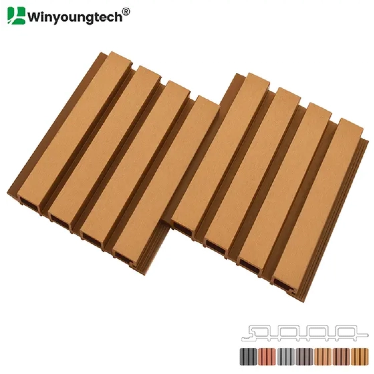
WPC wall panels are a type of cladding made from a combination of wood fibers and plastic polymers. This composite material is engineered to mimic the look and texture of natural wood while offering enhanced durability and performance. The blend of wood and plastic gives the panels a unique set of characteristics, such as resistance to moisture, UV light, and pests.
WPC panels are typically used as wall cladding in both residential and commercial spaces. They are available in a variety of colors, textures, and finishes, allowing them to complement any design aesthetic. Whether you’re looking for a sleek, modern finish or a rustic, wood-inspired look, WPC wall panels can be customized to meet your interior design needs.
1. Durability and Longevity
One of the key benefits of WPC wall panels is their exceptional durability. Unlike traditional wood panels, which can warp, rot, or become damaged due to moisture exposure, WPC panels are highly resistant to the elements. Here’s how their durability benefits interior spaces:
Water Resistance: WPC wall panels are moisture-resistant, which makes them perfect for high-humidity areas like bathrooms, kitchens, and basements. Wood, on the other hand, is prone to absorbing moisture, leading to swelling, warping, and decay over time. WPC panels, thanks to the plastic component, do not absorb water, making them a more reliable choice for these areas.
Scratch and Dent Resistance: Due to the combination of wood fibers and plastic, WPC panels are less likely to scratch or dent. This makes them perfect for high-traffic areas or homes with children and pets. Wood can be easily scratched, and scratches are often difficult to repair, but WPC panels are designed to withstand everyday wear and tear.
UV Resistance: Exposure to sunlight can cause traditional wood to fade, crack, and weaken over time. WPC panels, however, are designed to resist UV damage, helping to maintain their color and integrity for years.
Pest Resistance: Unlike wood, which can attract termites and other pests, WPC panels are resistant to insects. This adds another layer of protection, particularly in regions where wood-eating pests are common.
2. Low Maintenance
Another significant advantage of WPC wall panels is their low maintenance requirements. Natural wood, while beautiful, requires constant upkeep to retain its appearance and prevent damage. Regular painting, staining, sealing, and cleaning are all necessary to maintain wood panels. However, WPC panels are designed to be hassle-free:
No Painting or Staining Needed: WPC wall panels don’t require regular painting or staining to keep their look intact. They retain their color and texture for a long time without fading or changing. This reduces both time and cost spent on maintenance.
Easy Cleaning: WPC panels can be cleaned with a damp cloth, making them easy to maintain. Unlike wood, which can accumulate dust and dirt in its porous surface, WPC panels have a smooth, non-porous finish that resists dirt buildup.
No Sealing: Traditional wood panels need to be sealed regularly to protect them from moisture and dirt. WPC panels don’t require this extra step, which saves time and ensures the material remains intact.
This ease of maintenance is one of the reasons why WPC wall panels have become such a popular choice for busy homeowners, interior designers, and commercial spaces alike.
3. Eco-Friendly Choice
With growing awareness of the environmental impact of construction and interior design materials, sustainability has become a priority for many consumers. WPC wall panels offer an eco-friendly alternative to traditional wood products:
Recycled Materials: Many WPC wall panels are made from recycled wood fibers and plastic, reducing the need for new resources. This helps to minimize deforestation and reduce plastic waste in landfills.
Low Carbon Footprint: The manufacturing process for WPC panels generally produces fewer emissions compared to traditional wood panel production, making them a more environmentally friendly option.
Sustainable Sourcing: Since WPC panels are not made from pure wood, they do not contribute to the depletion of forests. The wood fibers used in WPC panels are often sourced from sustainable plantations or recycled sources.
Choosing WPC wall panels not only enhances the aesthetics of your space but also supports environmentally responsible practices.
4. Design Versatility
WPC wall panels are incredibly versatile when it comes to design. Whether you want to achieve a sleek, modern look or a more rustic, natural appearance, WPC panels can be customized to suit your preferences:
Variety of Styles: WPC panels are available in a wide range of colors, textures, and finishes, including wood-like finishes that closely mimic the look of natural wood. This gives you the flexibility to match the panels with any interior design theme, from contemporary to traditional.
3D Effects and Patterns: WPC panels can be manufactured with textured surfaces that create 3D effects or intricate patterns. This adds a unique and artistic element to your space, especially in areas like accent walls or feature walls.
Custom Sizes and Shapes: WPC panels come in various sizes and can be cut to fit any wall shape or dimension. Whether you’re looking to cover a large area or create a striking accent piece, these panels can be tailored to your needs.
Indoor and Outdoor Use: While WPC panels are most commonly used for interior applications, they are also suitable for outdoor use. Their durability and resistance to the elements make them perfect for creating stylish exterior wall cladding, facades, and feature walls.
5. Cost-Effective
While high-end natural wood panels can be quite expensive, WPC wall panels offer a more cost-effective solution without compromising on quality. The manufacturing process for WPC panels is typically less expensive, which helps keep the cost down. Additionally, the long lifespan and low maintenance requirements of WPC panels save money over time, as you won’t need to replace or maintain them as frequently as wood panels.
The initial investment in WPC wall panels may be slightly higher than some other synthetic materials, but their durability and low maintenance costs make them a highly cost-effective choice in the long run.
6. Improved Insulation
Another benefit of WPC wall panels is their ability to provide better insulation compared to traditional materials like drywall or wood. The combination of wood fibers and plastic creates a material that is effective at trapping air, which improves both thermal and acoustic insulation.
Thermal Insulation: WPC panels help to maintain a consistent indoor temperature by reducing heat transfer. This makes your space more energy-efficient, helping to lower heating and cooling costs.
Sound Insulation: WPC wall panels also contribute to noise reduction, making them an excellent choice for rooms where sound insulation is important, such as bedrooms, home offices, or media rooms.
7. Easy Installation
WPC wall panels are designed to be easy to install, which can save both time and money during your renovation or construction project. Many WPC panels feature a click-and-lock installation system, allowing them to be quickly and easily mounted on walls without the need for complex tools or professional assistance.
This ease of installation is particularly valuable for DIY enthusiasts or contractors looking to complete a project efficiently.
Conclusion
WPC wall panels are a versatile, durable, and environmentally friendly option for modern interior design. Whether you’re looking to create a stylish accent wall, update your home’s exterior, or improve the insulation and functionality of your space, WPC wall panels offer a range of benefits that make them a top choice in today’s market.
From their low maintenance requirements to their wide range of design options, WPC wall panels are ideal for both residential and commercial applications. They provide lasting value, offering durability, aesthetics, and sustainability without the need for constant upkeep. If you’re considering an upgrade to your interior or exterior design, WPC wall panels should be at the top of your list.


