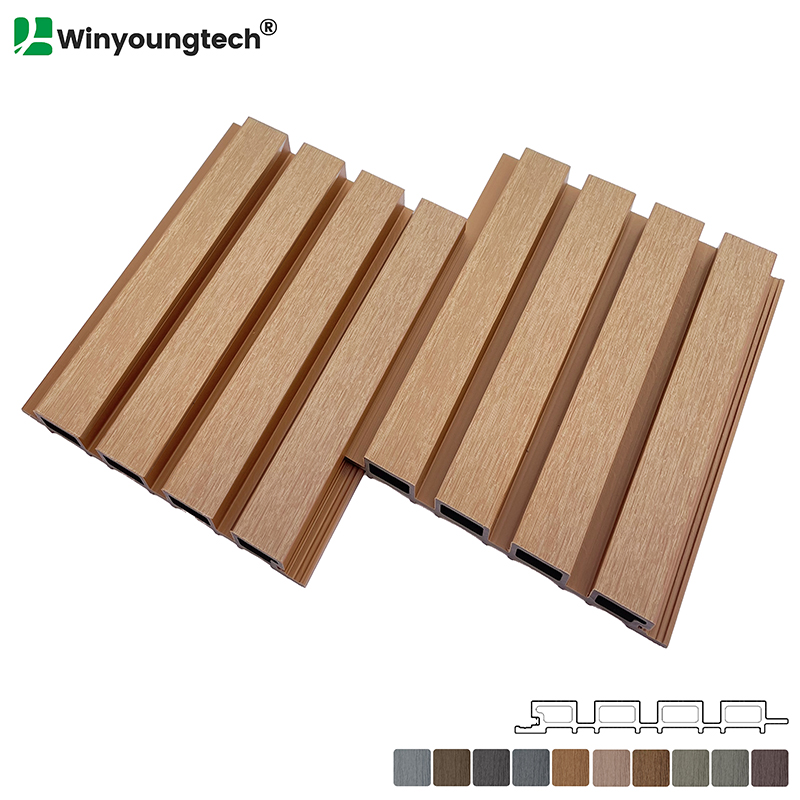
Exterior design requires balancing immediate aesthetic impact with long-term material survivability. Traditional wood often rots, warps, or splinters over time. Meanwhile, vinyl can easily crack and look highly artificial under harsh environmental stress. Building professionals constantly seek smarter, more reliable alternatives to solve this challenge. Enter Wood-Plastic Composite (WPC). As modern architectural demands shift toward low-maintenance, high-durability solutions, WPC has transitioned rapidly. It evolved from simple horizontal decking into striking vertical applications. These advanced profiles completely redefine how we protect and style our buildings. For architects, builders, and property owners finalizing facade materials, understanding strategic deployment is absolutely crucial. You must know exactly where and how to install WPC to ensure high structural longevity and safety. We will explore core applications, mandatory installation rules, and proven performance metrics. Read on to learn how to maximize your exterior design investments effectively.
Key Takeaways
Primary Function: WPC wall panels act as a durable, weather-resistant barrier and aesthetic upgrade for commercial and residential exteriors.
Core Advantage: They provide the visual warmth of natural timber without the heavy ongoing maintenance costs (staining, sealing, or rot repair).
Critical Constraint: Proper installation—specifically accounting for thermal expansion and adequate ventilation—is non-negotiable for long-term performance.
Evaluation Lens: Co-extruded (capped) WPC offers superior UV and moisture protection compared to first-generation uncapped composites.
The Role of WPC Wall Panels in Modern Facade Upgrades
Frequent exterior maintenance cycles drain operational budgets quickly. Painting, chemical treating, and replacing warped timber constantly disrupt property usage. For facility managers and homeowners alike, these recurring tasks create immense frustration. Traditional materials demand endless attention to survive harsh weather elements. You cannot simply install natural wood and forget about it.
By combining recycled wood fibers and high-density polymers, WPC creates a highly resilient matrix. This engineered material actively resists rot, boring pests, and deep moisture penetration. Manufacturers blend these components under intense heat and pressure. The resulting boards offer incredible density. They stand up against driving rain, freezing temperatures, and blistering summer heat.
This innovation provides immense architectural value. It bridges the gap perfectly between organic design aesthetics and industrial-grade durability. WPC wall panels serve as a highly viable alternative to premium timber or heavy stone. You get the inviting warmth of natural grain patterns. However, you avoid the structural vulnerabilities inherent to raw lumber. This balance transforms how designers approach modern building exteriors.
Core Applications: Where to Deploy Composite Wall Cladding
Knowing where to apply specific materials dictates the success of an architectural project. Designers rely on composite wall cladding across diverse sectors. It adapts easily to various structural requirements and visual styles.
Commercial Exteriors & Retail Facades
Businesses need striking exteriors to attract foot traffic. Upgrading outdated commercial structures presents unique challenges. WPC solves many of these issues effortlessly.
Builders use it to modernize outdated concrete or aging brick exteriors. It provides scalable, highly uniform textures.
The material delivers high brand-aesthetic consistency across multiple franchise locations. You avoid regional weathering variations entirely.
Installation speed minimizes business downtime. Crews can mount the paneling much faster than laying traditional masonry.
Architects evaluate building materials using strict performance dimensions. You must look beyond initial aesthetics. Understanding how materials behave over decades ensures building safety and client satisfaction.
Unlike raw timber, WPC does not absorb ambient moisture rapidly. The plastic polymers encapsulate the organic wood fibers completely. This encapsulation stops fungal growth dead in its tracks. However, the internal core must remain uncompromised during installation. Installers should always seal exposed cut ends properly. This prevents capillary action from pulling water into the fiber matrix.
We must operate under a transparent assumption: all exterior materials fade slightly over time. Sun exposure breaks down surface pigments naturally. However, high-quality capped WPC panels feature advanced UV inhibitors. Manufacturers co-extrude a tough outer shield around the core. This shield stabilizes the color after a minor initial weathering period. You generally see this stabilization within 10 to 12 weeks. After this brief phase, the color locks in for decades.
These advanced boards eliminate the need for harsh chemical treatments. Cleaning routines require only standard power washing under regulated PSI levels. Alternatively, you can use mild soap and a soft-bristle brush. This simple maintenance drastically reduces 10-year operational costs. You save thousands on labor and specialized protective sealants.
Pros and Cons: A Realistic Assessment of WPC Facade Materials
No building material represents a flawless solution for every single scenario. You must weigh the distinct advantages against the known limitations. A realistic assessment prevents costly project failures.
The Advantages (Pros):
Exceptional dimensional stability: Composites resist serious warping or twisting compared to solid wood planks. They hold their straight lines beautifully.
High pest resistance: Wood-boring insects like termites and carpenter ants cannot digest the polymer materials. They simply leave the siding alone.
Eco-friendly profile: Manufacturers utilize recycled plastics and industrial wood waste. This process diverts millions of tons of debris from global landfills annually.
The Limitations & Risks (Cons):
Thermal Expansion: WPC expands and contracts dramatically with temperature fluctuations. If installers secure them without proper gapping, panels will buckle under pressure. You must leave adequate room at the board ends.
Weight Load: These boards weigh significantly more than standard vinyl siding. They require a highly robust substructure. Installers must use heavy-duty, secure fastening systems to support the extra mass safely.
Initial Capital Outlay: WPC demands a higher upfront cost than basic vinyl or treated pine. Buyers must evaluate their return on investment over a 5-to-10-year horizon to see the financial benefits.
Implementation Realities and Installation Best Practices
Even premium materials fail if installed incorrectly. Following strict installation protocols ensures your facade survives extreme weather events. You must treat the substructure preparation just as seriously as the final cosmetic layers.
Proper installation requires a perfectly level, treated timber or metal batten system. You cannot attach composite boards directly to a flat house wrap. You must create an intentional air gap. This gap utilizes the rainscreen principle for active moisture drainage and back-ventilation. The continuous airflow dries out incidental moisture quickly. It prevents mold from growing inside the wall cavity.
Managing structural movement represents the most critical installation challenge. WPC moves horizontally as temperatures shift from morning to afternoon. Fastening systems must use hidden clips. These clips allow the boards to glide laterally during thermal shifts safely. Never hard-screw directly through the center of a panel. You may only do this if the engineering manual specifies it as a fixed locking point.
Always verify local compliance and safety regulations before deployment. Before beginning large-scale commercial installations, check the specific fire rating of the chosen material. Building codes evaluate materials under Class A, B, or C fire resistance standards. You must confirm these ratings match your local zoning laws. This step remains especially critical in multi-family complexes or dense urban commercial zones.
How to Shortlist and Specify Decorative Wall Panels for Your Project
Selecting the right product involves more than just picking a pleasant color. You must align the physical material properties with your specific geographic climate. Follow this structured approach to specify the perfect materials.
Step 1: Choose Between Uncapped vs. Capped (Co-extruded) WPC. First-generation uncapped boards cost less but absorb stains easily. Always specify capped panels for high-UV or heavy-rain environments. The co-extruded polymer shell provides maximum protection against fading, scratches, and stubborn mold spots.
Step 2: Assess Profile Types. You must decide between modern and traditional aesthetics. Choose slatted or fluted profiles if you want highly textured, contemporary architectural looks. Choose flat-board profiles to replicate traditional, overlapping lap siding aesthetics perfectly.
Step 3: Verify Warranty Realities. Manufacturers frequently offer impressive 15-to-25-year warranties. However, you must read the fine print carefully regarding installation compliance. Improper thermal gapping often voids manufacturer guarantees instantly. Ensure your selected contractor understands these strict requirements.
Next Steps: Do not guess based on digital photos alone. Order physical samples of decorative wall panels immediately. Test them physically against your local lighting conditions at different times of day. Finally, consult with a specialized facade installer to quote your unique substructure requirements accurately.
Conclusion
WPC wall panels offer immense strategic value for modern building exteriors. They represent a highly calculated upfront investment. This initial expense effectively neutralizes decades of long-term exterior maintenance burdens. You achieve the elegance of natural timber without the exhausting upkeep.
However, successful implementation hinges entirely on material selection and contractor expertise. You must choose capped, commercial-grade profiles for maximum environmental resistance. Furthermore, strictly adhering to thermal-aware installation protocols remains non-negotiable. Skipping batten systems or ignoring expansion gaps will ruin the project.
Take actionable steps today to secure your building's exterior. Request a physical sample box from your manufacturer. Download the technical specification sheets for your architect. Contact the sales engineering team immediately to schedule a comprehensive project review.
FAQ
Q: Can WPC wall panels be installed directly over existing brick or stucco?
A: No. You must never install them flat against existing masonry. They require a properly secured batten system to create a ventilated air gap. This rainscreen design allows trapped moisture to drain away safely and prevents the internal wall structure from rotting.
Q: Do WPC exterior panels fade in direct sunlight?
A: All outdoor materials experience slight fading. However, premium co-extruded (capped) panels feature powerful UV inhibitors. They will lighten very slightly during the first 10 to 12 weeks of exposure. After this initial weathering phase, the color stabilizes completely for the remaining lifespan.
Q: Are composite wall cladding systems waterproof?
A: The panels themselves are highly water-resistant, repelling bulk moisture effectively. However, the overall cladding system is not a waterproof seal for the building. It acts as a primary rainscreen to deflect weather. You still need an appropriate weather-resistant barrier wrapped over the actual building envelope.
Q: How does the cost of WPC compare to fiber cement or natural wood?
A: The initial purchase price is higher than basic treated pine or standard fiber cement. However, because you eliminate the need for regular painting, sealing, and rot repair, the long-term operational costs drop significantly. Over a ten-year span, this reduced maintenance makes it a highly economical choice for exterior upgrades.