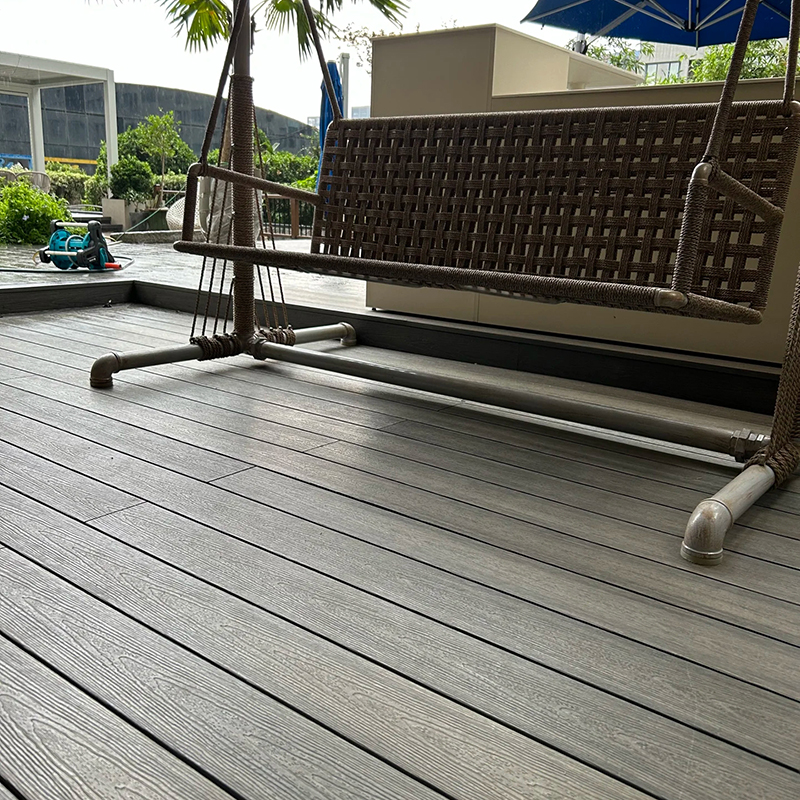
The landscape of modern outdoor architecture is undergoing a significant transformation. Property developers and homeowners are rapidly abandoning traditional timber and first-generation wood-plastic composites in favor of advanced engineering. Buyers at the bottom of the purchasing funnel face a critical decision today. You must weigh the upfront premium of these modern boards against their promised longevity, reduced liability, and structural reliability. It is essentially a choice between immediate savings and long-term peace of mind. This article objectively evaluates the performance benefits, lifecycle returns, and implementation realities of co-extruded boards. We will explore the material science behind the protective polymer shield. You will learn exactly how these products handle extreme weather, moisture accumulation, and heavy daily foot traffic. Our goal is to equip project managers and homeowners with clear facts. We want to help you make a justified, data-backed purchasing decision for your next demanding outdoor project.
Key Takeaways
360-Degree Shielding: Co-extrusion technology applies an impermeable protective polymer shell over a standard WPC core, fundamentally solving first-generation composite issues like molding, fading, and structural degradation.
Measurable Lifecycle ROI: While initial costs are higher, the elimination of sanding, sealing, and replacing warped boards drastically lowers the total cost of ownership over a 20-30 year lifespan.
Superior Environmental Defenses: Upgraded UV stabilizers and moisture barriers make this the standard for high-exposure environments requiring reliable UV resistant decking and waterproof decking.
Procurement Warning: Not all co-extruded boards are equal; evaluating cap thickness, core density, and warranty conditions is critical before finalizing a supplier.
The Structural Difference: Co-extrusion vs. First-Generation WPC
To understand the value of modern decking, we must examine how manufacturers build it. Co-extrusion is an advanced manufacturing process. Engineers extrude a high-density polyethylene (HDPE) shell simultaneously with a dense wood-fiber core. High heat fuses these two materials together instantly. They do not use toxic adhesives or separate bonding agents. This thermal fusion creates a unified, incredibly strong board.
First-generation WPC lacked this protective outer layer. Manufacturers mixed wood flour and recycled plastic, then shaped the boards. This left organic wood fibers exposed on the surface. These uncapped boards carried serious vulnerabilities. They absorbed rainfall and morning dew. The trapped moisture led to rapid mold growth and internal rot. In freezing climates, the absorbed water expanded. This caused the boards to crack, warp, and structurally fail within just a few years. Furthermore, UV rays bleached the exposed wood fibers rapidly.
Engineers developed capped composite decking as a direct response to these widespread failures. The extruded HDPE shell acts as an impenetrable armor layer. It seals the organic core away from the elements completely. The wood fibers provide structural rigidity, while the plastic shell handles environmental defense. This hybrid approach isolates the vulnerable materials from moisture, oxygen, and direct sunlight.
Best Practices for Material Selection
Inspect the core profile: Solid cores offer better impact resistance for commercial spaces, while round-hollow cores are suitable for standard residential use.
Examine the cap wrapping: Ensure the protective shell wraps all the way around into the grooves of the board.
Check the texture: High-quality capped boards feature deep, 3D embossed wood grains rather than flat, printed patterns.
Core Performance Benefits Driving Adoption
Total Moisture Isolation
Traditional wood and early composites act like sponges. Co-extruded boards act like glass. The non-porous polymer shield completely prevents water penetration. Without moisture, mold and mildew cannot grow. The core remains completely dry regardless of the weather conditions outside.
This strict moisture isolation eliminates the freeze-thaw cracking common in traditional materials. When winter temperatures drop, there is no trapped water inside the board to expand and fracture the structure. This makes the material exceptionally well-suited for high-humidity climates. It is the premier choice for marine environments, public boardwalks, and demanding poolside installations. If you need reliable waterproof decking, 360-degree capped boards deliver the highest level of performance.
Fading and Climate Defense
Direct sunlight destroys outdoor building materials. UV rays break down cellular structures and bleach color pigments. To combat this, manufacturers engineer the outer shell of capped composites with concentrated UV inhibitors. These chemical stabilizers reflect harmful radiation away from the board.
We must provide realistic expectations here. All materials weather slightly over decades of sun exposure. However, co-extrusion prevents the drastic graying, fading, and chalking seen in older composites. The color you install is largely the color you will keep. This maintains the aesthetic value of the property for decades. When sourcing UV resistant decking, always verify that the manufacturer tests their boards against industry-standard accelerated weathering protocols.
High-Traffic Durability and Maintenance Reduction
Heavy foot traffic ruins standard timber decks quickly. High heels, dragging patio furniture, and pet claws leave deep gouges. The HDPE shell of a co-extruded board offers massive scratch resistance. It also provides excellent slip resistance, keeping outdoor zones safe when wet.
The operational benefits fundamentally transform maintenance protocols. Spills that would permanently ruin a wood deck wipe away easily. Red wine, hamburger grease, and heavy sunscreen cannot penetrate the polymer cap. You can wipe them away without staining the core beneath. You eliminate costly chemical treatments, heavy sanding, and toxic sealants. Maintenance becomes as simple as washing the surface with mild soap and water twice a year.
Evaluating the Financial Argument: Upfront Cost vs. Lifecycle ROI
You cannot evaluate outdoor materials based on initial purchase price alone. We must look at transparent cost comparisons. You will typically pay a 20-40% premium for premium co-extrusion WPC decking over treated lumber or first-generation composites. This upfront sticker shock often causes buyers to hesitate. However, stopping the analysis at the cash register is a major financial mistake.
Maintenance cost modeling reveals the true value of capped composites. If you install a traditional wood deck, you must pay for yearly upkeep. You have to buy power washers, deck brighteners, stains, and waterproof sealants. More importantly, you must factor in the heavy labor required to apply these treatments every two to three years. Over a decade, the cost of maintenance often exceeds the original cost of the wooden materials. Capped composites operate with near-zero maintenance costs. You buy it once, and you simply wash it occasionally.
This translates directly to property value and asset lifespan. Most top-tier capped composites carry warranties extending 25 to 30 years. Commercial developers and homeowners benefit from this sustained visual appeal. The property valuation remains higher because the deck looks brand new a decade later. Furthermore, you lower your replacement frequency. You avoid the tear-out and disposal costs associated with rotting timber decks.
Material Type
Initial Material Cost
Annual Maintenance Labor
Estimated Lifespan
Long-Term Financial Efficiency
Treated Pine Lumber
Low
High (Sanding, sealing, staining)
10 - 15 Years
Poor (High recurring costs)
First-Gen WPC
Medium
Medium (Mold removal, cleaning)
10 - 15 Years
Moderate (Risk of early failure)
Co-extrusion WPC
High
Low (Basic soap and water)
25 - 30+ Years
Excellent (High ROI over time)
Implementation Realities: What to Know Before Installation
Engineered materials behave differently than natural wood. You cannot install a capped composite board exactly like a piece of pine. Understanding these engineering realities prevents catastrophic failures on the job site.
Thermal expansion and contraction are the most critical factors. Because these boards contain a high volume of dense polymers, they expand in the heat and contract in the cold. If you install boards tightly against one another on a hot day, they will shrink in winter and leave massive gaps. If you install them tight on a cold day, they will expand in the summer heat and buckle upward. You must respect proper joist spacing and calculate precise expansion gaps based on the ambient temperature during installation.
We highly recommend utilizing hidden fastening systems. Manufacturers design these specific clips for co-extruded boards. Nailing or screwing directly through the face of the board punctures the protective polymer shell. This compromises your moisture barrier. Hidden fasteners slot seamlessly into the grooved edges of the board. They hold the planks securely while allowing them to slide slightly during thermal expansion.
Common Installation Mistakes to Avoid
Ignoring airflow: Failing to leave adequate ground clearance traps moisture under the deck, leading to joist rot.
Incorrect screw placement: Driving face screws too close to the board ends causes the dense plastic shell to split.
Over-tightening fasteners: Locking the hidden clips down too hard restricts the board's natural ability to expand and contract.
We must also address heat retention objectively. Dense, capped composites will retain heat in direct sunlight. Darker colors, like espresso or charcoal, absorb significant solar energy and can become uncomfortable for bare feet. If you are building a barefoot-heavy zone around a pool, employ mitigation strategies. Select lighter colors like pale gray or sand. You can also incorporate shading structures, like pergolas or shade sails, to keep the surface temperature comfortable.
How to Shortlist and Evaluate Co-extrusion Suppliers
The market is flooded with various grades of composite materials. Not all co-extruded boards deliver the same level of performance. You must evaluate manufacturers critically before signing a purchase order. Sourcing reliable outdoor building materials requires looking past the glossy marketing brochures.
First, verify the cap thickness and coverage. Some budget manufacturers only cap the top surface of the board to save money. This leaves the bottom and the grooved sides exposed to moisture. You should always demand 360-degree capping. A fully wrapped board offers vastly superior moisture protection and prevents the board from cupping over time.
Second, investigate the core density and material composition. The ratio of recycled wood fibers to plastic heavily impacts the board's structural rigidity. High-quality boards use refined, heavily pulverized wood flour to ensure tight bonding with the plastics. If the core looks porous, crumbly, or features large wood splinters in the cross-section, the board will likely lack structural integrity.
Finally, perform strict warranty verification. Do not accept a "25-year warranty" at face value. Read the fine print carefully. You need to know exactly what the warranty covers. Does it cover fading, or just structural rot? Does it include a stain-resistance guarantee? Will the manufacturer cover the labor costs for replacing defective boards, or just the raw materials? Reputable suppliers offer comprehensive coverage that protects your long-term investment.
Conclusion
Choosing the right outdoor surface is a high-stakes decision. Co-extrusion WPC decking represents a major leap forward in material science. It is not just an aesthetic upgrade for your patio or commercial space. It is a highly calculated investment in risk mitigation, structural longevity, and minimal upkeep. By wrapping a robust composite core in an impenetrable polymer shield, manufacturers have engineered away the fatal flaws of traditional wood.
To move forward confidently, take actionable steps. Do not buy based on photos alone. Request physical samples from multiple suppliers and test their scratch resistance yourself. Review the technical specification sheets to confirm 360-degree capping and core density. Finally, book a consultation with an authorized installer to discuss how the material will behave in your specific micro-climate. Proper planning today ensures a flawless deck that will perform for decades.
FAQ
Q: Is co-extrusion WPC decking completely maintenance-free?
A: It is highly "low maintenance," but not entirely "zero maintenance." You never have to sand, paint, stain, or seal the boards. However, you must occasionally sweep away organic debris like wet leaves. We recommend a mild washing with soap and water twice a year to keep the polymer shell looking brand new and free of surface dirt.
Q: Does capped composite decking look like real wood?
A: Yes. Modern co-extrusion utilizes advanced 3D embossing techniques on the polymer shell. This creates deep, matte wood grain textures that look and feel highly realistic. This advanced manufacturing eliminates the cheap, shiny plastic sheen that plagued early 2000s composites, offering a premium aesthetic without the drawbacks of natural timber.
Q: How long does co-extruded WPC actually last?
A: When properly installed, these boards typically last 25 to 30 years or more. Major manufacturers support these lifespans with comprehensive warranties. To achieve this longevity, you must ensure the substructure is built correctly with proper drainage, and you must strictly respect the manufacturer's required expansion gaps during installation.