Wood Plastic Composite (WPC) decking is a versatile, eco-friendly material made from a blend of wood fibers and plastic. This combination results in a durable and low-maintenance alternative to traditional wood decking, offering resistance to moisture, rot, and insects. WPC decking is known for its aesthetic appeal, closely mimicking the appearance of natural wood while eliminating the need for frequent sealing, staining, or painting. The co-extrusion process is an advanced manufacturing technique that takes WPC decking to the next level. In co-extrusion, a protective layer is applied over the standard WPC core, using a second material, often a high-density polymer, to enhance the durability and performance of the decking. This outer layer provides superior protection against UV rays, scratches, stains, and weathering, making co-extrusion WPC decking more resistant to fading and damage compared to regular WPC. As a result, co-extrusion technology increases the lifespan of the decking while maintaining its visual appeal, making it ideal for outdoor environments.
1.How Co-extrusion WPC Differs from Regular WPC
Multi-Layer Construction
The co-extrusion process involves the creation of a WPC decking material with multiple layers, unlike regular WPC, which typically consists of a single composite layer. In co-extrusion, the core of the decking remains the traditional WPC material, but an additional protective layer is applied over it during the manufacturing process. This outer layer is often made from high-density polymer, which serves as a shield against various environmental factors. This multi-layer construction enhances the decking's strength and provides additional resistance to wear, stains, and moisture, giving it greater durability for outdoor applications. The outer layer not only improves protection but also creates a smoother, more consistent finish.
Superior Durability
Co-extruded WPC decking offers significantly superior durability compared to regular WPC. One of the main differences is its increased resistance to wear and tear. The outer co-extruded layer acts as a barrier that protects the core material from physical damage, making it more resistant to scratches, dents, and impact. Additionally, the co-extrusion process enhances the decking's ability to withstand exposure to moisture, reducing the risk of warping, swelling, or rot that can affect regular WPC decking over time. Co-extruded WPC also offers better UV protection, helping to prevent fading and discoloration caused by the sun. This means co-extruded decking maintains its appearance and structural integrity longer, even under harsh outdoor conditions, including high humidity, rain, and direct sunlight.
Aesthetic Differences
The co-extrusion process not only improves the functional properties of WPC decking but also enhances its appearance. The outer layer applied during co-extrusion gives the decking a more refined finish, with a smoother texture and a more vibrant color range compared to regular WPC. The co-extruded layer allows for more intricate designs, including wood-like textures and colors that replicate the natural beauty of wood, making the decking more visually appealing. Additionally, the protective layer ensures that these colors remain consistent and vibrant for longer periods, minimizing fading over time. This makes co-extruded WPC decking a popular choice for homeowners who want both durability and aesthetics in their outdoor spaces.
2.Benefits of Co-extrusion WPC Decking
UV and Fade Resistance
One of the key benefits of co-extrusion WPC decking is its enhanced UV resistance. The protective outer layer applied during the co-extrusion process contains UV inhibitors that block harmful ultraviolet rays, significantly reducing the risk of color fading and material degradation over time. While regular WPC decking may show signs of fading or discoloration when exposed to prolonged sunlight, the added UV protection in co-extruded decking helps maintain its vibrant color for years. This makes co-extrusion WPC an ideal choice for outdoor areas like decks, patios, and poolside spaces, where consistent exposure to sunlight can quickly lead to fading in lower-quality materials.
Scratch and Stain Resistance
The co-extruded layer also provides superior protection against scratches and stains. The outer layer is designed to be more durable and resistant to physical damage, ensuring that the decking surface remains smooth and attractive over time. Whether it's from furniture, heavy foot traffic, or outdoor elements, co-extrusion WPC decking is much less likely to suffer from visible wear and tear compared to regular WPC. Additionally, the protective layer prevents staining from common substances like food, drinks, and dirt, which can easily discolor traditional wood decking or non-extruded WPC. As a result, co-extrusion WPC decking maintains its pristine appearance with minimal effort.
Low Maintenance
Co-extrusion WPC decking is extremely low-maintenance compared to traditional WPC decking. Regular WPC typically requires periodic cleaning, resealing, or staining to maintain its performance and appearance. However, thanks to the durable outer layer of co-extrusion WPC, it requires very little upkeep. It does not need to be stained, painted, or sealed, and it is highly resistant to moisture, rot, and mold growth. Routine cleaning with mild soap and water is typically all that's needed to keep the decking looking fresh. This makes co-extrusion WPC decking an excellent option for homeowners seeking a hassle-free, long-lasting outdoor solution that offers both beauty and functionality.
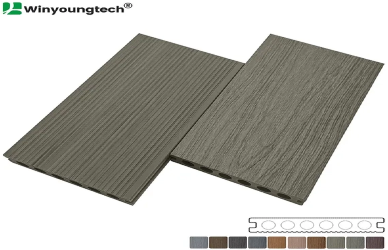
3.Applications of Co-extrusion WPC Decking
Ideal for Outdoor Spaces
Co-extrusion WPC decking is specifically designed to excel in outdoor environments, making it the perfect choice for pool areas, decks, patios, balconies, and other exterior spaces. The enhanced UV resistance, moisture protection, and durability of co-extruded WPC ensure that it can withstand the elements, including harsh sunlight, heavy rain, and even pool chemicals. Its resistance to fading, stains, and scratches ensures that the decking maintains its visual appeal even in high-traffic outdoor areas. Whether it's a family gathering area by the pool or a scenic deck overlooking a garden, co-extrusion WPC provides both beauty and functionality, offering a low-maintenance solution that can stand up to the demands of outdoor living.
Longer Lifespan
One of the standout advantages of co-extrusion WPC decking is its impressive longevity. Thanks to the durable co-extruded layer, this decking material has a longer lifespan than regular WPC or traditional wood decking. The added layer provides increased resistance to wear, moisture, UV rays, and physical damage, which makes co-extrusion WPC highly resistant to the effects of weathering. In high-traffic outdoor areas such as poolside decks, garden paths, or commercial spaces, co-extrusion WPC decking is a long-term investment, requiring minimal maintenance while providing years of reliable performance. This longevity makes it a cost-effective solution for homeowners or businesses seeking a decking material that will remain beautiful and functional for many years to come.
Sustainability and Environmental Impact
Co-extrusion WPC decking is not only a durable and aesthetically pleasing option but also an environmentally friendly one. Many manufacturers produce co-extrusion WPC from recycled wood fibers and plastics, reducing the need for virgin materials and minimizing waste. Additionally, the longer lifespan and low-maintenance requirements reduce the need for frequent replacements, making it a sustainable choice for outdoor decking. By choosing co-extrusion WPC, you are investing in a product that offers both long-term durability and a positive environmental impact, making it an excellent option for eco-conscious consumers.
FAQ
1.How does the co-extrusion process improve the durability of WPC decking?
The co-extrusion process involves adding a protective outer layer to the WPC decking, which significantly improves its durability. This layer enhances resistance to scratches, stains, moisture, and UV rays, preventing the decking from fading, warping, or deteriorating over time. The multi-layer construction provides better protection against environmental factors, making co-extrusion WPC more long-lasting compared to regular WPC.
2.Is co-extrusion WPC decking more expensive than regular WPC?
Yes, co-extrusion WPC decking can be more expensive than regular WPC due to the advanced manufacturing process and the added protective layer. However, the higher initial cost is often justified by its superior durability, lower maintenance requirements, and longer lifespan, making it a more cost-effective option in the long run.
3.How does co-extrusion WPC decking perform in wet and humid environments?
Co-extrusion WPC decking performs excellently in wet and humid environments. The protective outer layer makes it more resistant to moisture and mold growth, which is particularly important in coastal, poolside, or high-humidity areas. The material does not absorb water like traditional wood, preventing warping, swelling, and rot, which ensures the decking remains intact and durable in wet conditions.
4.Can co-extrusion WPC decking be installed easily compared to regular WPC?
Yes, co-extrusion WPC decking is just as easy to install as regular WPC, with the added benefit of requiring less maintenance over time. The installation process typically involves using standard fasteners and tools, and like traditional WPC, co-extrusion decking can be cut and shaped to fit various outdoor designs. The enhanced durability of the co-extruded layer does not affect the ease of installation.
Conclusion
Co-extrusion WPC decking represents the next generation of outdoor materials, offering superior performance and aesthetics compared to regular WPC. Its multi-layer construction, with a durable protective outer layer, enhances its resistance to wear, stains, scratches, moisture, and UV rays, making it ideal for high-traffic outdoor spaces like pool areas and decks. The UV protection ensures that the decking maintains its vibrant color and appearance over time, while the scratch and stain resistance helps keep it looking pristine with minimal upkeep. Additionally, the low-maintenance nature of co-extrusion WPC makes it a hassle-free solution for homeowners and businesses looking for long-lasting, durable, and beautiful decking. With its extended lifespan, enhanced durability, and aesthetic appeal, co-extrusion WPC decking is a smart investment that offers both practicality and style, making it the future of decking materials for outdoor spaces.


