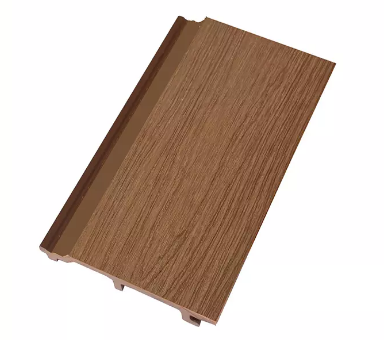
Outdoor wall cladding prices can look simple at first. Yet the panel rate rarely equals the final project cost. Prices for wpc wall panels outdoor vary by structure, finish, quantity, and installation. In this guide, you will learn current reference ranges, cost drivers, and a practical budgeting method.
Key Takeaways
●Reference prices forwpc wall panels outdoor generally range from about $9.33 to $19.18 per square meter. This range covers traditional, partially capped, and fully capped products.
●Traditional composite wall panels usually have the lowest purchase price. They suit projects where upfront cost matters more than maximum surface protection or service life.
●Co-extruded cladding costs more because it includes a protective outer layer. This layer improves resistance to sunlight, moisture, stains, and changing weather.
●The material rate is only one budget item. Buyers must also include joists, screws, clips, trims, cutting waste, labor, packaging, shipping, duties, and taxes.
●Final quotations may change because of order quantity, panel length, finish, color, raw-material costs, and exchange rates. A detailed project brief produces a more reliable price.
How Much Do WPC Wall Panels Outdoor Cost per Square Meter?
Quick Price Answer
The listed reference cost for outdoor composite wall cladding ranges from approximately $9.33 to $19.18 per square meter. The lower end usually covers traditional WPC panels. The upper end applies to advanced co-extruded fluted cladding.
These figures represent material reference prices. They are not complete installed prices. The final amount can change according to quantity, customization, exchange rates, and raw-material conditions.
WPC wall panel type
Reference price per m²
Typical value
Traditional composite wall panel
$9.33–$12.43
Lower initial cost
Standard fluted composite cladding
$10.54–$13.71
Decorative profile and capped surface
Alternative co-extruded profiles
$9.93–$13.05
Different widths and surface designs
Half co-extruded cladding
$11.60–$13.07
Mid-range cost and protection
Fully co-extruded fluted cladding
$14.75–$19.18
Stronger exterior protection
Note: Compare prices per square meter, not per board, because panel widths and usable coverage differ.
Traditional Composite Wall Panels
Traditional WPC cladding is usually the most affordable choice. Reference prices begin near $9.33 per square meter and may reach about $12.43.
These panels combine recycled wood fibers, plastic, and additives. They offer a wood-like surface while resisting rot, splitting, termites, and moisture. They can also reduce painting and sealing work.
Their expected service life is generally shorter than capped products. The supplier lists a typical range of around 10 to 15 years. Actual performance still depends on climate, installation, ventilation, and maintenance.
Standard Fluted Composite Cladding
Fluted cladding usually costs about $10.54 to $13.71 per square meter. Its grooved surface creates stronger shadows and a more architectural appearance.
This type may include brushed, fluted, or original surface treatments. It also offers several standard colors and customized color options. The added surface design can raise the price above basic traditional panels.
It suits exterior walls, garden buildings, private homes, hotels, and restaurants. Its visual depth often makes it attractive for entrance walls and feature façades.
Alternative Co-Extruded Profiles
Other co-extruded wall panels fall near $9.93 to $13.05 per square meter. Their costs vary because panel width, thickness, weight, texture, and coverage differ.
A lower panel price does not always mean a lower project price. Narrower boards may require more pieces, more joints, and additional installation time. Wider boards can cover a wall faster but may cost more per piece.
Buyers should compare square-meter coverage, surface technology, accessory needs, and expected waste. This gives a more useful comparison than the board price alone.
Half Co-Extruded Cladding
Half co-extruded products sit between traditional and fully capped panels. Their reference price is approximately $11.60 to $13.07 per square meter.
They provide extra surface protection while controlling material cost. This option can suit developments requiring better weather performance without choosing the highest-priced construction.
The expected service life may reach roughly 20 to 25 years under suitable conditions. This longer period can improve value for projects needing stable exterior finishes.
Fully Co-Extruded Fluted Cladding
Fully co-extruded wall cladding has the highest reference range, at about $14.75 to $19.18 per square meter. It includes a protective surface layer fused around the composite core.
The cap improves resistance to ultraviolet exposure, moisture, stains, and weathering. It can also help preserve color and surface appearance for longer periods.
The listed service life is approximately 25 to 30 years. This makes capped panels useful for exposed façades, hospitality properties, and commercial buildings where early replacement would be disruptive.
Why Do WPC Outdoor Wall Panel Prices Vary?
Panel Construction
Traditional, half co-extruded, and fully co-extruded products use different manufacturing structures. A protective cap requires extra materials and processing.
Fully capped products usually cost more. However, they can offer better resistance to fading, stains, moisture, and surface wear.
Panel Width, Thickness, and Weight
Panel dimensions influence material use and wall coverage. Thicker or heavier panels may cost more to produce and transport.
Board width also affects installation speed. A wide profile may reduce the number of joints across a large façade.
Surface Texture and Color
Fluted, brushed, sanded, slatted, and wood-grain finishes require different production steps. Detailed finishes may increase the quoted price.
Standard colors are often easier to source. Custom colors may require production testing, higher minimum quantities, or longer lead times.
Quantity and Market Conditions
Larger orders can support better production efficiency and freight planning. Small orders may carry higher costs per square meter.
Final prices may also move because of exchange rates and raw-material costs. The website presents its listed prices as references rather than fixed offers.
How to Calculate the Material Cost
Measure the Net Wall Area
Multiply the wall width by its height. Repeat this calculation for every wall section.
Subtract large windows, doors, and openings. Then add a waste allowance for cutting, corners, damage, and pattern alignment.
Complex façades usually need more waste than simple rectangular walls. Your installer should confirm the final allowance.
Multiply Area by the Panel Rate
Use this basic formula:
Required wall area × panel price per square meter = estimated panel cost
For example, a 100-square-meter wall using traditional panels may cost about $933 to $1,243 for the boards.
The same area using premium fully capped cladding may cost about $1,475 to $1,918. These estimates exclude accessories, labor, freight, taxes, and duties.
Adjust for Layout and Board Length
Standard and customized lengths can affect waste. A suitable board length may reduce offcuts and visible joints.
Corners, openings, directional patterns, and façade changes also influence material use. Accurate elevation drawings help the supplier recommend quantities.
Tip: Send marked wall drawings with dimensions when requesting a quote, rather than providing only a total area.
What Additional Costs Should You Budget For?
Joists, Fasteners, and Trims
A complete cladding system needs more than wall panels. Common accessories include joists, screws, clips, and edge trims.
Corner details may require additional profiles. Openings around windows and doors can also increase trim quantities.
The supporting frame must suit the wall condition and local installation requirements. Accessory choices can affect both cost and durability.
Installation and Wall Preparation
Labor costs depend on wall height, access, layout, and substrate condition. A flat, open wall is usually faster to clad.
Uneven surfaces may need preparation before joist installation. Complex corners, signs, pipes, windows, or lighting can increase cutting time.
Scaffolding, lifting equipment, and safety systems may add further costs. Ask the installer to separate labor and access charges.
Freight and Import Costs
International projects should calculate landed cost. This may include packaging, sea freight, inland transport, port fees, duties, and local taxes.
Long boards can use shipping space less efficiently. Packaging requirements may also affect container loading.
Note: Confirm the delivery term and destination before comparing supplier quotations.
Which WPC Wall Panel Type Offers the Best Value?
Traditional WPC for Lower Upfront Cost
Traditional panels work well when the purchase budget is limited. They offer a wood appearance and basic weather resistance at a lower material rate.
They may suit garden buildings, sheltered walls, and projects with shorter investment periods. However, buyers should consider their shorter expected service life.
Half Co-Extruded WPC for Balanced Performance
Half co-extruded panels provide a middle option. They combine a moderate price with stronger surface protection.
They can be suitable for housing projects, outdoor feature walls, and developments needing reliable performance at a controlled cost.
Fully Co-Extruded WPC for Long-Term Value
Fully capped cladding costs more initially. Its protective layer can reduce staining, fading, and weather-related surface damage.
It often offers better value on exposed façades or premium properties. A longer service life may lower the average yearly ownership cost.
The best choice is not always the cheapest panel. It is the product meeting the required appearance, climate, lifespan, and maintenance plan.
How WPC Cladding Can Reduce Long-Term Costs
Less Painting and Sealing
Natural wood often needs repeated painting, oiling, staining, or sealing. WPC cladding usually needs much less surface treatment.
This can reduce labor costs and maintenance interruptions. It may also lower the need for scaffolding during future upkeep.
Resistance to Common Outdoor Damage
WPC wall cladding is designed to resist moisture, rot, insects, splitting, and changing weather. Capped surfaces add further resistance to stains and ultraviolet exposure.
These features can reduce repair frequency. They also help maintain a consistent façade appearance.
However, no outdoor product is completely maintenance-free. Regular cleaning and inspections remain important.
Cost per Year of Service
A useful comparison divides the total expected cost by the years of service:
Material, installation, and maintenance cost ÷ expected service years
A low-priced panel may have a higher annual cost if it needs earlier replacement. A capped panel may justify its higher price through longer use and lower upkeep.
How to Get an Accurate Project Quote
Define the Required Product
State whether you need traditional, half-capped, or fully co-extruded cladding. Include the preferred profile, surface, color, and length.
Also explain the project location and building type. Climate exposure can influence the most suitable product.
Provide Accurate Project Details
Share the net wall area, wall drawings, opening sizes, corner quantities, and installation height. Include your expected waste allowance.
State whether you need joists, screws, clips, trims, samples, and customized packaging. This helps prevent missing items.
Request a Complete Cost Breakdown
Ask for the panel rate, accessory prices, packaging, production time, shipment terms, and payment terms.
The quotation should also state its validity period. This matters when exchange rates or material costs may change.
Tip: Compare quotations using the same specifications, accessories, quantity, and delivery term.
Conclusion
WPC outdoor wall panels usually cost about $9.33 to $19.18 per square meter before installation. Traditional boards lower upfront spending, while capped options improve weather protection and service life. Winyoung New Materialoffers varied profiles, customized colors, flexible lengths, and supporting installation accessories. Its solutions help buyers balance appearance, durability, maintenance, and total project value.
FAQS
Q: What do wpc wall panels outdoor usually cost?
A: Wpc wall panels outdoor generally cost $9.33 to $19.18 per square meter.
Q: Why are capped panels more expensive?
A: Their protective layer improves resistance to sunlight, moisture, stains, and weather.
Q: Are wpc wall panels outdoor cheaper than wood?
A: Wpc wall panels outdoor may cost more initially but need less routine treatment.