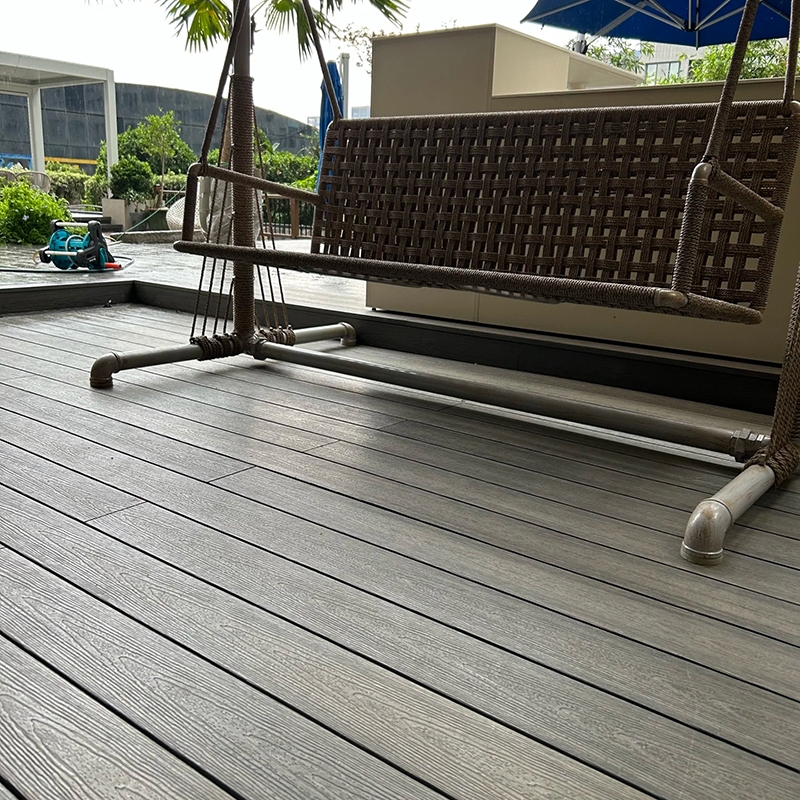
Early-generation composites were notoriously shiny and plastic-looking. Homeowners and architects easily identified them as artificial boards from a distance. Builders frequently rejected these early iterations for high-end exterior architectural projects. The market demanded better visual performance.
Today, the current market reality looks vastly different. Modern manufacturing completely shifted focus from simple surface printing to deep structural embossing. This crucial evolution makes 3D wood grain WPC a viable aesthetic alternative to premium natural hardwood. Buyers no longer have to sacrifice visual appeal for durability.
In this guide, we dissect the specific technology behind these advanced composite textures. You will read an objective performance comparison against traditional natural timber. Furthermore, we provide a practical framework for evaluating and selecting these materials for your next project.
Key Takeaways
True realism relies on depth, not just color: Authentic looks are achieved through thermo-pressing techniques that create tactile, non-uniform ridges matching natural growth rings.
Pattern repetition is the ultimate tell: High-end 3D wood grain WPC minimizes pattern repeating to avoid a "stamped" or artificial appearance across large surface areas.
Aesthetics must balance with durability: Deeply embossed textures offer better slip resistance but require specific capping layers to prevent dirt accumulation and UV degradation.
Decision stage mandate: Always evaluate physical samples for gloss levels and color variation before specifying outdoor materials for large-scale installations.
The Engineering Behind Realistic Wood Texture in Composites
Old composite materials looked fake because they lacked physical depth. Manufacturers relied on single-color plastics. They simply stamped a shallow, two-dimensional pattern onto the surface. Sunlight exposed this flat surface immediately. The boards reflected light uniformly, creating a cheap plastic sheen. Consumers hated this artificial appearance. Three-dimensional manufacturing technology solved this core problem through several distinct engineering processes.
Co-Extrusion and Multi-Chromatic Mixing: Early boards used a flat, monochromatic base. Today, engineers blend multiple color pigments directly during the extrusion process. They introduce secondary and tertiary colors into the primary polymer mix. This multi-chromatic approach mimics natural color variation. Real timber features distinct streaking and sapwood lines. Modern mixing replicates these subtle tonal shifts natively within the board.
Thermo-Mechanical Embossing: Physical depth creates authenticity. Manufacturers pass the hot, newly extruded boards under heavy metallic rollers. These rollers carry intricate, reverse-engineered wood grain templates. The machines press deep, uneven grain patterns into the board. Because the core material remains hot, it permanently adopts this three-dimensional shape. The resulting tactile surface interacts naturally with sunlight. It casts micro-shadows just like real wood.
The Matte Finish Factor: A freshly pressed board still carries a slight sheen from the polymer capping layer. Manufacturers must remove this unnatural gloss. They pass the cooled boards through automated wire-brushing or sanding machines. This crucial step scuffs the topmost micron of the protective layer. It scatters light reflection and leaves a flat, dull surface. This meticulous finishing process is critical for achieving a truly realistic wood texture.
3D Wood Grain WPC vs. Natural Timber: A Procurement Comparison
Buyers must evaluate materials based on lifecycle aesthetics and long-term performance outcomes. The choice between natural timber and composite alternatives heavily impacts future maintenance budgets. We compare these materials across three crucial performance categories.
Visual Weathering (Day 1 vs. Year 5)
Natural timber changes rapidly outdoors. Sunlight strips the natural oils from the wood. By year five, unprotected timber silvers completely. It develops hairline cracks and splinters. You must apply recurrent chemical stains to maintain its original aesthetic. Conversely, 3D WPC behaves predictably. It experiences minor initial color stabilization during the first 12 weeks of sun exposure. The board might fade slightly as the polymers settle. After this short period, the color profile locks in. Advanced UV inhibitors in the cap layer prevent further degradation over the following decades.
Structural Integrity & Maintenance
Wood is inherently porous. It absorbs seasonal moisture rapidly. This absorption causes natural timber to swell, warp, and eventually rot. Wood-destroying insects also target untreated timber framing. WPC utilizes a dense, moisture-resistant core. It repels standing water and ignores humidity changes. Many brands claim composites require "zero effort." This is an exaggerated marketing myth. You should frame maintenance as "low effort." You only need periodic washing using mild soap and water. You never need to apply toxic chemical sealants or heavy stains.
Cost-to-Value Ratio
Premium composite boards carry a higher upfront material price than basic treated pine. Buyers often experience sticker shock during initial procurement. However, premium composites achieve cost parity alongside exotic hardwoods like Ipe or Teak. Once installed, composites drastically lower 10-year operating expenses. You eliminate the annual costs of sanding labor, premium stains, and board replacement.
Evaluation Metric
Natural Timber (Hardwood)
3D Wood Grain WPC
Visual Weathering
Rapid silvering, cracking without annual oiling.
Minor 12-week fade, then stable for decades.
Moisture Resistance
Porous; susceptible to rot, warping, and swelling.
How to Evaluate and Shortlist Wood Grain Composite Decking
The market offers countless brands. Buyers must separate premium 3D boards from cheap imitations during the sample evaluation phase. You should order physical samples of wood grain composite decking before making any large purchases. Use the following criteria to test the material quality.
Check the Pattern Repetition (The "Stamped" Look)
Cheap composites look obviously fake across large installations. Lower-quality manufacturers cut costs by using small embossing rollers. A small roller completes a full rotation quickly. This results in identical grain knots repeating every two or three feet. Lay out four or five sample boards side by side in a well-lit area. Scan the surface for identical visual markers. Premium production lines use massive, expensive rollers. These larger rollers extend the repeat cycles significantly. You want a pattern that stretches naturally without obvious, immediate duplication.
Assess the Capping Layer Technology
Modern boards utilize co-extrusion capping. This means a protective polymer shell entirely wraps the inner core. Ensure the board is fully capped on all exposed sides. Inspect the edges of your physical sample. Look closely at the deep ridges of the wood grain. The 3D embossing must press directly into the cap layer. Cheaper boards cut or slice through the cap to create texture. Breaking the cap exposes the vulnerable wood-fiber core to rain and spills. A continuous, unbroken cap maintains strict stain and moisture resistance.
Test the Tactile Friction
Visual appeal means little if the surface becomes dangerous when wet. Run your bare hand across the grain of the sample board. Deep 3D embossing should provide a tangible, rough grip. This tactile friction directly translates to better slip resistance. In commercial specifications, engineers look for P4 or P5 slip ratings. High friction is absolutely vital for pool surrounds, public walkways, and wet climate environments. If the sample feels smooth or slippery in your hands, discard it immediately.
Implementation Realities and Common Installation Risks
Even the best materials fail if installed incorrectly. Experienced contractors understand the unique physical behaviors of composite materials. We transparently discuss where projects typically go wrong. You can avoid catastrophic failures by respecting these implementation realities.
Best Practice: Thermal Expansion Management. Natural wood expands primarily by absorbing moisture. WPC behaves differently. It expands and contracts based on heat. Dark-colored boards absorb massive amounts of solar radiation in full sun. They will grow in length during peak afternoon heat. You must highlight the necessity of proper gapping at butt joints. If you push the boards tight together, the thermal expansion will cause them to buckle or "tent" upwards. Always follow the manufacturer's specific gapping charts based on installation day temperatures.
Common Mistake: Ignoring Scratch Visibility on Deep Embossing. Deep ridges look beautiful but introduce a new vulnerability. Dragging heavy, sharp metal furniture across the deck can scuff the raised peaks of the grain. This action shears off the matte finish, revealing the shiny plastic underneath. Warn clients about this specific risk. Advise them to attach thick felt or rubber furniture pads to all chairs and tables. Use standard mitigation tactics like outdoor rugs in heavy dining areas.
Best Practice: Prioritizing Fastener Concealment. You want to maintain the illusion of a pristine, natural wood floor. Face-screwing destroys this aesthetic immediately. Driving a screw straight through the top breaks the 3D texture permanently. Furthermore, each face screw creates a tiny funnel for standing water to penetrate the core. Emphasize hidden fastener systems. These specialized clips slide neatly into the grooved edges of the boards. They secure the deck to the joists while leaving the decorative surface completely unblemished.
Selecting the Right Decorative Decking for Your Specific Application
Not all composites serve the same purpose. You must match the specific WPC variant to your project constraints. Proper solution categorization prevents costly over-specification or dangerous under-specification. Choosing the right decorative decking ensures long-term safety and satisfaction.
High-Traffic Commercial vs. Residential
Commercial spaces endure thousands of footsteps daily. Restaurants, public boardwalks, and hotel patios require robust materials. You must specify boards featuring exceptionally thick capping layers and denser internal cores. These commercial-grade boards withstand heavy pedestrian grinding without wearing down the 3D texture. Residential projects experience much lighter use. Standard capped composites provide excellent longevity for backyard patios without the premium commercial price tag.
Vertical vs. Horizontal Applications
Horizontal flooring bears heavy dynamic loads. These boards require thick profiles and dense structural cores. However, architects increasingly use composite boards for vertical applications. They build architectural cladding, privacy screens, and decorative facades. Vertical applications carry zero foot traffic. Differentiate your specifications here. Use lightweight, deeply textured profiles for vertical screens. Using heavy flooring boards on a vertical wall wastes money and strains the substructure unnecessarily.
Next-Step Actions
We recommend ordering a minimum of three diverse color and texture samples. Never choose a color based solely on a digital catalog. Computer monitors misrepresent the multi-chromatic streaking. Instruct buyers to take these samples outside. Test them directly on-site against local lighting conditions. Observe how the shadows fall across the embossing at noon and at sunset. Compare the colors against existing architectural finishes like brickwork or exterior paint. Do this thorough evaluation before specifying outdoor materials for final procurement.
Conclusion
3D wood grain WPC successfully bridges the gap between the beautiful aesthetic of natural timber and the pragmatic demands of modern architecture.
Multi-chromatic extrusion and deep thermo-mechanical embossing eliminate the cheap, plastic look of early-generation composites.
It is the optimal choice for decision-makers willing to invest in upfront engineering to eliminate long-term maintenance liabilities.
Request physical samples immediately. Consult a technical spec sheet and contact a specialized supplier to verify load ratings and warranties for your specific project.
FAQ
Q: Will the 3D wood grain texture wear smooth over time?
A: On high-quality, fully capped WPC, the thermo-pressed texture is highly resistant to standard pedestrian wear. The ridges are molded deeply into the dense polymer shell. However, extreme dragging of heavy objects can scuff the ridges. It will not wear smooth under normal residential use. You can expect the tactile grip to last for decades if treated properly.
Q: Does 3D embossed composite decking get hotter than natural wood?
A: Yes, generally WPC retains more heat than natural timber due to its high density and plastic content. Darker colors will become significantly hotter in direct sunlight. The material absorbs and holds solar radiation. This thermal retention should be factored into barefoot areas like pool surrounds. Consider choosing lighter grey or cedar tones for unshaded spaces.
Q: Can you paint or stain 3D wood grain WPC if you want to change the color?
A: No. Modern capped composites are designed specifically not to adhere to paints or stains. The protective polymer shell actively repels external liquids. The color chosen at procurement is permanent. This immutable nature highlights the extreme importance of thorough sample evaluation before making your final purchase.