Choosing a fence represents a high-stakes, long-term property investment for any homeowner. Traditional timber has stood as the default boundary choice for decades. However, modern material engineering has finally introduced highly viable, advanced alternatives. Property perimeters constantly battle harsh elements to keep our homes secure. They face relentless summer sun, driving rainstorms, and hungry wood-boring pests. We all need reliable materials to protect our spaces without demanding endless weekends of grueling maintenance labor.
Today, we will deeply explore Wood-Plastic Composite (WPC) as a powerful challenger to timber’s long-held market dominance. You will discover an objective, detailed comparison of upfront cost, structural durability, and seasonal upkeep requirements. We evaluate exactly how these materials perform over time under real-world conditions. By the end, you will understand the specific trade-offs involved. You can then make a finalized, data-driven purchasing decision that perfectly suits your property.
Key Takeaways
TCO (Total Cost of Ownership): Wood is cheaper upfront; composite fence panels typically cost less over a 10-to-15-year lifecycle.
Durability: WPC resists rot, termites, and warping, making it ideal for harsh or humid climates.
Installation Reality: WPC is heavier and requires specific structural framing to account for thermal expansion.
What Exactly is a Wood Composite Fence? (Material Breakdown)
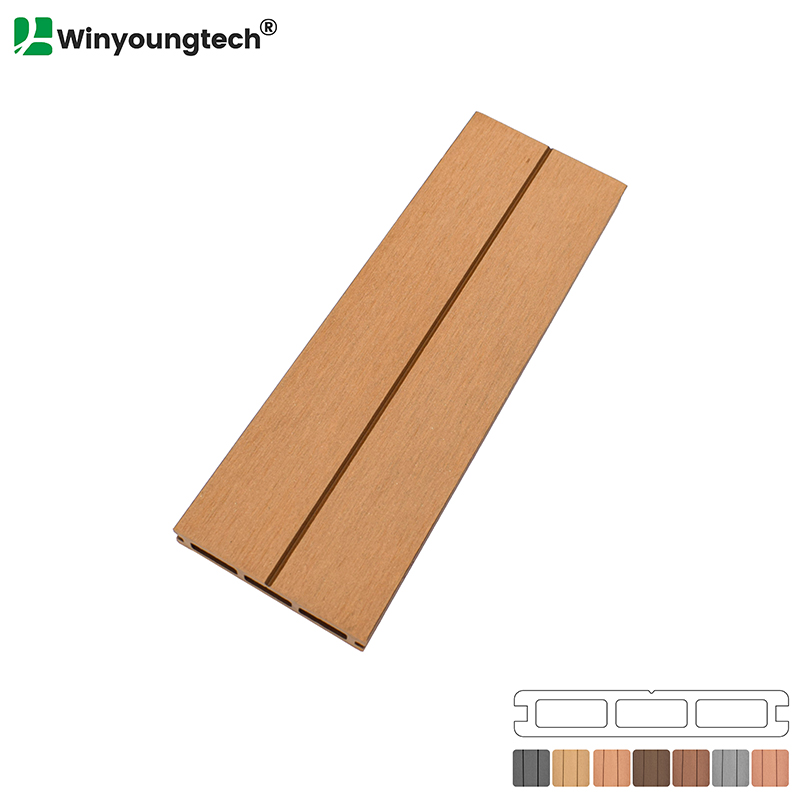
Modern fencing materials have evolved far beyond basic timber. Manufacturers create a wood composite fence by blending recycled wood fibers, high-density polyethylene (HDPE) plastics, and specialized bonding agents. This engineered mixture undergoes intense heat and pressure. The resulting material combines the natural aesthetic of wood fibers alongside the synthetic resilience of heavy-duty polymers. You get a dense, heavy board designed to outlast traditional lumber.
You will encounter two main categories of WPC today: capped and uncapped. Early-generation composites were uncapped. They left the wood-plastic core exposed to the elements. These older boards occasionally suffered from minor staining or mold issues. Today, manufacturers predominantly produce "capped" or co-extruded panels. Capped WPC features a protective, impermeable polymer shell wrapped entirely around the core. This shell provides superior stain resistance and blocks harmful UV rays.
To establish a fair baseline for comparison, we must define the standard wood alternatives. When homeowners evaluate fences, they typically consider these three common wood types:
Pressure-Treated Pine: The most budget-friendly option. Manufacturers infuse it with chemical preservatives to resist ground moisture.
Cedar: A mid-tier choice containing natural oils. These oils repel insects and slow down the rotting process.
Redwood: A premium, beautiful lumber option. It offers excellent natural durability but comes at a significantly higher price point.
Upfront Price vs. Long-Term Value
We must remain entirely transparent about initial pricing. Composite panels require a significantly higher upfront capital outlay. Depending on your region, you will often pay 20% to 50% more for WPC materials compared to basic pressure-treated pine. If you strictly operate on a minimal day-one budget, wood will always look more attractive on your initial contractor quote. However, evaluating a fence solely on its purchase price ignores the inevitable reality of future expenses.
Wood fences generate continuous, compounding financial burdens. You must factor in the recurring costs to keep timber functional. Every two to three years, you need to purchase premium exterior stains and weatherproof sealants. You must rent or buy power-washing equipment. You will eventually pay for replacement boards when natural knots pop out or panels split. Furthermore, you must calculate the value of your own labor hours spent maintaining the boundary.
When we map out these accumulated expenses, a clear mathematical crossover point emerges. Industry data consistently shows this crossover happens around years five through seven. By year seven, the cumulative maintenance costs of a wood fence surpass the slightly higher initial investment of WPC. From that point forward, the composite installation begins saving you money annually. This makes WPC a superior long-term financial choice for permanent residences.
Weather, Wear, and Lifespan: Evaluating Durable Fence Boards
Moisture serves as the primary enemy of outdoor structures. Traditional wood remains highly porous. It acts like a sponge during heavy rainstorms. When timber absorbs water, it expands. When it dries in the sun, it contracts. This endless swelling and shrinking cycle inevitably leads to cracking, deep rot, and structural failure. Engineered WPC takes a completely different approach. The plastic polymers encapsulate the wood fibers, creating a highly moisture-resistant barrier. Water simply beads up and rolls off.
Pest resistance highlights another massive advantage for composite materials. Termites, carpenter ants, and wood-boring bees actively seek out natural timber to consume or nest inside. These pests cause millions of dollars in property damage annually. Plastic-bonded WPC offers zero nutritional value to insects. Pests will completely ignore a composite boundary, entirely eliminating the need for toxic chemical pesticides around your yard.
Regional climate variations heavily impact how materials perform. Wood struggles terribly in high-humidity environments. Conversely, durable fence boards made of WPC maintain their structural integrity across diverse climates. They withstand freezing winters and humid summers beautifully. We do need to note that WPC experiences minor, predictable thermal expansion. The boards will grow slightly in extreme heat, but they will not warp or permanently deform when installed correctly.
Wind load and impact resistance also matter during severe weather. Wood offers decent flexibility but can snap under extreme wind gusts if rot has compromised the posts. WPC boards carry substantial weight and density. They feature excellent flexural strength. When properly anchored into reinforced posts, they comfortably meet stringent residential wind-load ratings.
Performance Metric
Traditional Wood
WPC (Wood-Plastic Composite)
Moisture Resistance
Low (Absorbs water, prone to rot)
High (Polymer shell repels water)
Pest Vulnerability
High (Attracts termites and ants)
None (Inorganic materials deter pests)
Climate Reaction
Swells and cracks with humidity
Stable (Minor predictable thermal expansion)
Flexural Strength
Degrades over time as wood ages
Consistent strength throughout lifespan
The Reality of "Low Maintenance Fencing"
Homeowners often underestimate wood’s heavy maintenance burden. Keeping a timber fence looking pristine requires significant physical labor. Every two to three years, you must strip away the old, peeling sealant. You then need to sand down rough patches and splinters. Finally, you must carefully apply fresh, often VOC-heavy stains. If you skip these chores, you face deferred maintenance risks. The wood will rapidly degrade, turning an attractive boundary into a neighborhood eyesore.
We must clearly define what low maintenance fencing actually means in practice. Let us clarify one important fact: "low maintenance" does not mean "zero maintenance." Any exterior product exposed to blowing dirt, pollen, and bird droppings requires occasional attention. However, the WPC workflow removes all sanding, painting, and harsh chemical treatments from your schedule.
The cleaning protocol for composite panels remains incredibly simple. You only need to perform a basic seasonal wash. Grab a standard garden hose, a soft-bristle brush, and mild dish soap. Lightly scrub the boards to remove accumulated surface dirt. Rinse the soap away thoroughly. This quick process takes mere hours instead of an entire weekend. It prevents natural environmental mildew from establishing a foothold on the surface dirt, keeping your boundary looking pristine year-round.
Aesthetics and Long-Term Visual Appeal for Garden Fencing
The visual difference between wood and WPC becomes glaringly obvious when you compare day one to year ten. Freshly installed wood looks vibrant and beautiful. However, without aggressive, continuous upkeep, UV exposure actively destroys wood lignin. The boards naturally fade to a dull, silver-gray color. They develop deep surface cracks and rough textures. The original aesthetic charm vanishes quickly under harsh sunlight.
Modern composite manufacturers tackle this issue using advanced UV inhibitors blended directly into the polymer shell. This technology locks in the pigment. We must honestly note a standard weathering process for uncapped composites. If you purchase uncapped boards, they may experience slight, uniform color fading during the first twelve weeks of sun exposure. After this initial weathering period, the color stabilizes permanently. Capped WPC, on the other hand, retains its factory color almost perfectly from day one.
WPC offers incredible design versatility for contemporary landscapes. It integrates flawlessly into modern garden fencing designs. Architects prefer it for creating seamless horizontal lines and achieving consistent coloration across large properties. You never have to worry about ugly, dark wood knots popping out. You completely avoid sharp splinters, making the yard much safer for children and pets to enjoy.
Installation, Structural Considerations, and Implementation Risks
Building with composites requires different mechanical approaches than building with standard lumber. We must highlight these implementation differences to ensure a successful project. First, consider the weight and handling characteristics. Composite fence panels are significantly denser and heavier than dry pine or cedar. You cannot simply nail them to standard wooden posts.
This increased weight demands robust structural framing. Professionals frequently use thick aluminum posts or steel inserts to support the heavy WPC boards. Your concrete footings must also be deeper and wider to bear the extra load without leaning over time. Attempting to mount heavy composite boards onto standard 4x4 wooden posts often results in structural failure within a few years.
Thermal expansion represents the most critical engineering factor during installation. As temperatures rise in summer, WPC expands laterally. As temperatures drop in winter, it contracts. Installers must leave precise, manufacturer-specified expansion gaps between the boards and the posts. If you butt the boards tightly together on a cold day, they will aggressively push against each other during July heatwaves. This pressure causes severe buckling and warping.
Should you attempt a DIY installation or hire a professional? If you possess advanced carpentry skills and strictly follow the thermal spacing guides, you can tackle this project. However, we strongly advise hiring a specialized fencing contractor. Professional installation guarantees correct structural support and proper expansion gaps. More importantly, most premium WPC manufacturers require strict adherence to their installation manuals. Improper DIY installation can instantly void your multi-decade warranty.
Conclusion: Making Your Final Decision
Choosing the right material ultimately depends on your specific lifestyle goals, budget constraints, and property plans. Reviewing the core differences helps streamline this major decision. Here is a quick decision matrix to guide your final choice:
Choose Wood if: Your upfront project budget is strictly capped right now. It also makes sense if you plan to sell the property within the next three years, or if an authentic, rustic, imperfect natural aesthetic is non-negotiable for your landscape design.
Choose WPC if: Long-term financial return is your top priority. It is the obvious choice if your local climate features high humidity, heavy rain, or extreme seasons. Furthermore, select WPC if you highly value your free time and wish to permanently eliminate weekend sanding and staining chores.
Take actionable steps today to move your project forward. First, request physical material samples from reputable WPC manufacturers to evaluate the 3D woodgrain textures in person. Next, review your local municipal building codes regarding boundary heights and wind-load requirements. Finally, calculate your specific yard’s linear footage. You can then request a detailed, accurate quote from a specialized local contractor.
FAQ
Q: Do composite fence panels look like real wood?
A: Yes, modern manufacturing has vastly improved WPC aesthetics. Early generations had a repetitive, glossy plastic appearance. Today's premium panels feature deep, 3D woodgrain embossing and varied color streaking. While they lack the random imperfections of real timber, they closely mimic premium stained wood without the artificial shine.
Q: Are WPC fences environmentally friendly?
A: Absolutely. Most WPC panels utilize up to 90% recycled materials, combining reclaimed industrial wood fibers with recycled consumer plastics. Additionally, because WPC never requires toxic chemical sealants, stains, or waterproofers, it prevents harmful volatile organic compounds (VOCs) from leaching into your soil and local groundwater.
Q: How strong is a wood composite fence in high winds?
A: WPC panels possess excellent flexural strength and easily endure severe weather. However, their wind resistance relies entirely on proper framing. Because the boards are heavy, you must use reinforced aluminum or steel post inserts and adhere to strict post-spacing guidelines to meet high wind-load ratings.
Q: Will WPC warp in extreme heat?
A: WPC will not permanently warp from heat alone, but it does undergo thermal expansion. The boards naturally expand as temperatures rise. Warping only occurs if installers fail to leave adequate expansion gaps between panels. Professional installation ensures the boards have enough room to expand and contract safely.