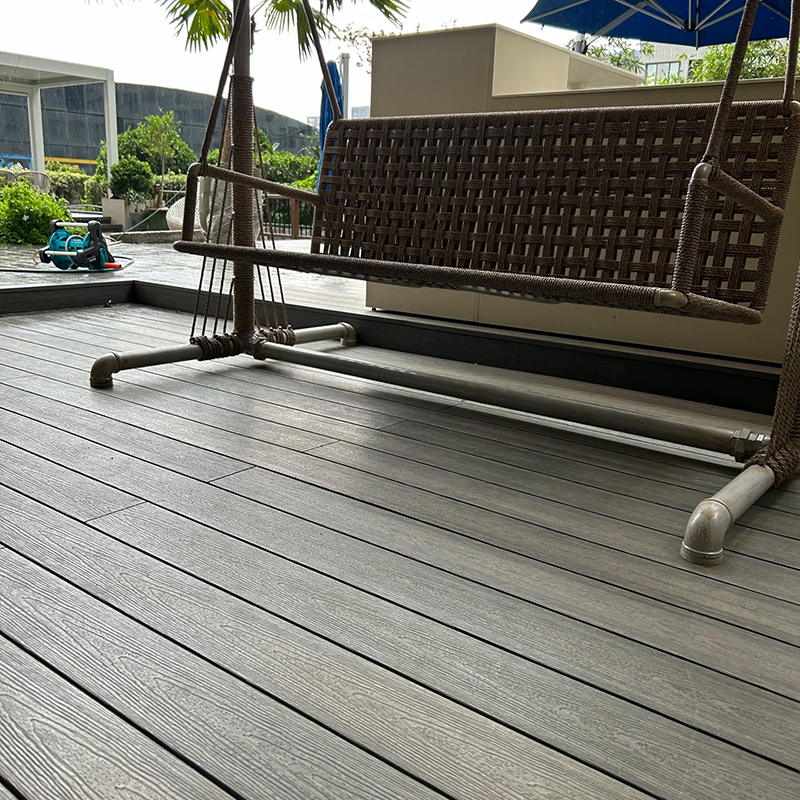
Evaluating outdoor materials presents a major procurement challenge today. You must balance aesthetic appeal, structural integrity, and strict environmental accountability. Many people ask a very valid question. How can a product containing plastic be officially classified as eco-friendly? It is easy to feel skeptical about synthetic composites when you prioritize the planet.
However, architects and builders face intense pressure to select responsible materials. Sourcing durable products without depleting natural forests feels nearly impossible in modern construction. Yet, modern manufacturing has completely transformed what composite boards can achieve. The environmental value of Wood-Plastic Composite (WPC) goes far beyond its recycled ingredients.
We will explore the exact ingredient breakdown behind these innovative boards. You will discover how extended lifecycles and landfill waste diversion make a massive ecological impact. You will also learn how shifting away from treated timber actively protects local groundwater. WPC eliminates toxic chemical treatments entirely. By the end of this guide, you will understand exactly why this material leads the market in green construction.
Key Takeaways
Waste Diversion: High-quality WPC utilizes up to 90% recycled composite materials (reclaimed wood fibers and post-consumer plastics).
Zero Toxic Runoff: Unlike traditional treated timber, WPC requires no chemical sealants, paints, or stains, protecting local groundwater.
Extended Lifecycle: A 20-to-30-year operational lifespan dramatically reduces replacement frequency and cumulative carbon footprint.
Compliance Ready: Premium WPC products actively contribute to LEED credits and meet strict international green building materials standards.
The Material Equation: How Recycled Composite Materials Drive Sustainability
To understand the true sustainability of these boards, you must look at the raw ingredients. Manufacturers do not rely on virgin timber. Instead, they use a highly specific blend of recovered resources. A typical composite board consists of 50 to 60 percent waste wood fibers. You will also find 30 to 40 percent recycled thermoplastics. These plastics are usually high-density polyethylene (HDPE) or standard polyethylene (PE). Finally, factories add 5 to 10 percent harmless coupling agents to bind the mixture.
These recycled composite materials form the absolute foundation of a robust circular economy. The "waste to resource" cycle actively captures industrial wood scrap. It also intercepts post-consumer plastics like milk jugs and shopping bags. Without this vital intervention, these materials would end up in landfills or industrial incinerators. By combining them, manufacturers create a high-performance building product out of daily waste.
Forest conservation represents another major environmental benefit. WPC utilizes wood flour and sawdust byproducts exclusively. This approach eliminates the need for virgin timber logging. It directly mitigates global deforestation risks. You can build expansive outdoor decks without cutting down a single new tree. This preserves vital carbon sinks across the globe.
The following breakdown highlights the specific components used during extrusion:
Component Type
Typical Percentage
Source Material
Primary Environmental Benefit
Wood Fibers
50% - 60%
Industrial sawdust, timber offcuts
Prevents deforestation, utilizes industrial waste
Thermoplastics
30% - 40%
Post-consumer HDPE/PE
Diverts plastic from landfills and oceans
Coupling Agents
5% - 10%
Eco-friendly bonding additives
Ensures structural durability without toxic glues
Lifecycle Assessment (LCA): WPC vs. Traditional Treated Timber
When evaluating outdoor materials, you must look far beyond the manufacturing phase. A true Lifecycle Assessment (LCA) reveals striking differences between composite boards and traditional treated timber.
Consider the chemical impact on local groundwater. Traditional wood requires intense, ongoing maintenance to survive outside. Property owners must routinely apply VOC-heavy waterproofers, toxic stains, and harsh insecticides. Rainwater eventually washes these surface chemicals directly into the surrounding soil. WPC remains entirely inert. It requires zero chemical treatments over its entire lifespan. This actively protects nearby plant life and delicate groundwater systems.
We must also analyze the carbon footprint over time to ensure balanced claims. The initial manufacturing of composite boards does consume high energy. Plastic extrusion requires significant heat and electricity. However, the amortized carbon footprint tells a completely different story. Over a 25-year lifecycle, composites frequently boast a lower overall footprint than natural timber. This happens because they require zero replacement boards. They also completely eliminate the recurring need for chemical manufacturing and transportation for maintenance.
End-of-life realities further strengthen this ecological profile. Many people incorrectly assume composites are impossible to dispose of responsibly. In reality, they offer strong recyclability. Many modern manufacturers now run specialized take-back programs. They can mill down old composite boards into new raw materials. This closed-loop system prevents the material from ever becoming permanent waste.
This chart compares the distinct lifecycle impacts of both options:
Lifecycle Stage
Traditional Treated Timber
WPC Decking
Manufacturing
Low energy, but high chemical use
Higher energy, utilizes recycled waste
Routine Maintenance
High VOC emissions (stains, sealers)
Zero chemical maintenance needed
Operational Lifespan
10 - 15 years (prone to rot and splintering)
25+ years (highly resistant)
End of Life
Hazardous waste due to chemical treatments
Can be ground down and re-extruded
Meeting Compliance: WPC as Green Building Materials
Commercial and residential projects increasingly require strict environmental certifications. High-quality composites actively help you meet these ambitious goals. Integrating sustainable decking directly contributes to prestigious LEED certification credits.
The Leadership in Energy and Environmental Design (LEED) framework rewards responsible procurement. Using composite boards earns points in the "Materials and Resources" category due to their high recycled content. You can also earn credits under "Sustainable Sites" by reducing environmental degradation. Specifying these products makes municipal project approval significantly smoother.
You must rigorously verify claims before purchasing green building materials. Look for authoritative standards to ensure absolute trust. Buyers should always use this critical checklist:
FSC Certification: This ensures the wood component comes from responsibly managed sources or verified recycled streams.
ISO 14001: This validates the manufacturer’s internal environmental management system. It proves they actively minimize waste during production.
SGS / Intertek Testing: Independent lab reports confirm the complete absence of hazardous heavy metals. This ensures full RoHS compliance.
E0 Formaldehyde Standard: This indicates negligible emissions. It guarantees air quality remains safe for human occupants and wildlife alike.
You should always request these exact documents. Genuinely sustainable brands will provide them immediately without hesitation.
Operational Durability: The Eco-Value of Resilient Outdoor Solutions
Sustainability is heavily tied to physical resilience. If a product fails quickly, it wastes valuable resources. Superior resistance to environmental stress prevents premature material failure in harsh outdoor solutions.
Composite boards offer incredible weather resistance. They actively resist UV degradation from intense sunlight. Their dense polymer core prevents moisture ingress. This completely stops fungal rot from developing inside the board. Traditional wood constantly absorbs water, expands, and eventually splinters. Composites maintain their structural integrity decade after decade regardless of the climate.
We must frame the evaluation around environmental costs. You will experience significantly fewer repairs over the product's lifespan. Zero staining requirements mean you completely eliminate the ongoing consumption of secondary resources. You save thousands of gallons of fresh water over twenty years because deep cleaning is rarely needed. You avoid consuming endless cans of chemical sealants. You also eliminate the intensive labor required to maintain natural wood.
A common mistake is ignoring the environmental burden of continuous maintenance. People often focus only on the initial purchase. However, the recurring consumption of waterproofers takes a massive toll on the ecosystem. Resilient composite solutions break this destructive cycle. They offer a simple approach. This dramatically lowers the cumulative ecological impact of your outdoor space over time.
Not all composite products are created equal. You need a reliable framework to shortlist genuine eco friendly WPC decking. The current market does contain misleading claims.
First, you must learn to identify greenwashing. Greenwashing happens when companies greatly exaggerate their environmental practices. You must differentiate between genuinely sustainable manufacturers and those using virgin plastics. Some cheap boards rely on high percentages of newly manufactured PVC. Others use toxic adhesives to bind poor-quality wood dust. True sustainable boards strictly utilize post-consumer recycled plastics and recovered wood fibers. They never use virgin timber.
Next, evaluate the brand based on supply chain transparency. A trustworthy supplier will happily provide a Material Safety Data Sheet (MSDS). They will also offer verifiable recycled content percentages. If a supplier hesitates to share their raw ingredient sources, you should look elsewhere immediately. Absolute transparency is non-negotiable in the green construction industry.
Here are the best practices for your procurement action plan. You should request physical samples before making any large-scale decisions. Inspect the density and finish of the material yourself. Always demand full technical specification sheets. Finally, secure all third-party compliance certificates for your official project records. This rigorous vetting process ensures your building materials genuinely support the environment.
Conclusion
The final verdict on this material is remarkably clear. WPC functions as a highly effective, eco-friendly building material. It successfully solves the dual problem of plastic and wood waste disposal simultaneously. By diverting tons of scrap from overflowing landfills, it actively supports global circular economy goals. Furthermore, it permanently stops long-term chemical pollution in outdoor construction. You never have to worry about toxic runoff from stains or sealers damaging your local soil.
Your choice of materials directly shapes the future of our environment. Architects, contractors, and regional distributors must prioritize sustainable alternatives today. We strongly encourage you to consult directly with a manufacturing specialist. They can review detailed technical specs and environmental impact reports tailored to your specific project needs. Take action today to integrate responsible, high-performance composites into your next architectural design.
FAQ
Q: Does WPC decking emit harmful VOCs or formaldehyde?
A: High-quality WPC uses stable thermoplastic polymers and physical extrusion processes. This results in negligible to zero formaldehyde emissions. These emission levels sit far below international safety thresholds, easily meeting the rigorous E0 standard. You do not need to worry about harmful off-gassing in your outdoor living spaces.
Q: Can WPC decking be recycled at the end of its 25-year lifespan?
A: Yes. Unlike chemically treated lumber, WPC can theoretically be ground down and re-extruded into brand new boards. You must note local logistical considerations, however. Municipal recycling facilities often lack the equipment to process composites. You should rely on specialized manufacturer take-back programs to ensure proper closed-loop recycling.
Q: How does the initial manufacturing carbon footprint of WPC compare to natural wood?
A: WPC extrusion requires high heat and electricity. This makes its initial manufacturing carbon footprint higher than simply milling raw timber. However, the overall lifecycle footprint remains highly competitive. The ecological footprint balances out beautifully due to its 25-year longevity, massive use of recycled waste, and total lack of maintenance chemicals.