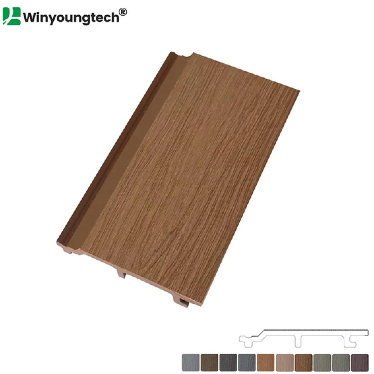
In recent years, the building and construction industry has been witnessing a shift towards more sustainable, durable, and low-maintenance materials, especially when it comes to exterior design. One of the materials leading this change is Wood Plastic Composite (WPC) wall panels. These innovative panels are transforming the way we think about cladding and exteriors, offering a unique combination of aesthetics, functionality, and sustainability that is hard to match with traditional materials.
In this article, we will explore why WPC wall panels are quickly becoming the future of exterior design and construction. From their durability to their environmental benefits, we’ll examine the many advantages that make WPC wall panels a top choice for both residential and commercial properties.
What are WPC Wall Panels?
Before diving into the reasons why WPC wall panels are the future of exterior design, it's important to understand what they are and how they’re made.
WPC wall panels are composite materials created by blending wood fibers (such as sawdust or recycled wood) with plastic polymers (like polyethylene or polypropylene). The combination of wood and plastic results in a material that mimics the appearance of natural wood but offers the added benefits of plastic, such as moisture resistance, strength, and durability.
These panels are used to cover the exterior walls of buildings, offering a sleek and modern aesthetic while providing long-lasting protection against the elements. They are available in a wide range of finishes, textures, and colors, allowing for a variety of design options. Additionally, WPC panels are commonly used in both residential and commercial settings due to their versatility and excellent performance.
1. Durability and Longevity
One of the most compelling reasons why WPC wall panels are the future of exterior design is their exceptional durability. Traditional cladding materials, such as wood, often face a host of challenges when exposed to the elements, including moisture, UV rays, and pests. WPC panels, on the other hand, are designed to withstand these conditions far better, making them an excellent long-term investment for any property.
Weather Resistance: WPC panels are highly resistant to the effects of weather. Unlike wood, which can warp, swell, or rot when exposed to moisture, WPC panels are moisture-resistant and do not absorb water. This makes them perfect for regions with high humidity or areas prone to heavy rainfall. The material will retain its structural integrity and appearance, even in harsh weather conditions.
UV Protection: Wood exposed to direct sunlight for extended periods can fade, crack, or lose its color over time. WPC panels, however, are designed with UV inhibitors that protect them from sun damage, ensuring that they maintain their color and texture for many years.
Pest Resistance: WPC panels are resistant to termites, mold, mildew, and other pests that can cause damage to traditional wood cladding. This is particularly important in areas where pests are prevalent, offering property owners peace of mind knowing their exterior will remain intact without the need for pest treatments.
Scratch and Impact Resistance: Because WPC panels have a unique blend of wood and plastic, they are less likely to dent, scratch, or crack compared to traditional wood. This makes them an ideal choice for high-traffic areas or properties that require robust exterior cladding.
2. Low Maintenance Requirements
Another major benefit of WPC wall panels is their low-maintenance nature. One of the biggest challenges with traditional wood is the constant upkeep required to keep it looking fresh and to protect it from the elements. Wood cladding needs to be regularly sealed, stained, or painted to maintain its appearance and prevent deterioration. WPC panels, however, require very little maintenance.
No Painting or Staining: WPC panels do not require the frequent re-coating that wood does. Wood needs to be regularly painted or stained to protect it from UV damage, moisture, and pests. With WPC panels, the material retains its color and texture without the need for constant upkeep. This reduces long-term maintenance costs and the time spent maintaining the exterior of your property.
Easy Cleaning: WPC wall panels are easy to clean and maintain. Unlike wood, which can accumulate dirt and debris in its pores, WPC panels have a smooth, non-porous surface that resists dirt buildup. A simple wash with water and a mild detergent is usually enough to keep your WPC panels looking like new.
No Sealing Required: Unlike traditional wood, which needs to be sealed regularly to prevent moisture penetration and decay, WPC panels do not require sealing. This not only saves time but also eliminates the cost of purchasing and applying sealants.
3. Eco-Friendly and Sustainable
As sustainability becomes an increasingly important consideration in construction and design, WPC wall panels offer a more eco-friendly solution compared to traditional wood. The growing demand for green building materials has prompted a shift towards using sustainable, recycled, and renewable resources. WPC panels are at the forefront of this trend.
Made from Recycled Materials: Many WPC wall panels are made from recycled wood fibers and plastic, which helps reduce the need for virgin materials and conserves natural resources. By utilizing recycled wood and plastic, WPC panels contribute to reducing waste in landfills and supporting the circular economy.
Sustainable Sourcing: Unlike traditional wood, which can contribute to deforestation if not sourced responsibly, WPC panels often use wood fibers from sustainable sources or recycled materials. This reduces the demand for virgin wood, protecting forests and wildlife habitats.
Reduced Carbon Footprint: The production of WPC panels generally has a lower environmental impact than manufacturing pure wood products or other materials like steel and aluminum. WPC is energy-efficient to produce, and the use of recycled plastic further reduces the carbon footprint of the panels.
Longer Lifespan: The durability of WPC wall panels means they last longer than traditional wood, reducing the need for frequent replacements. This reduces the overall environmental impact of replacing cladding materials repeatedly.
4. Aesthetic Flexibility and Design Options
WPC wall panels come in a wide variety of styles, finishes, and colors, providing designers with endless options for achieving their desired aesthetic. Whether you’re looking for a sleek, modern look or a more rustic, natural feel, WPC panels can accommodate any design preference.
Wood-Like Appearance: WPC panels are designed to mimic the appearance of natural wood, offering the warm and inviting feel of timber without the maintenance hassles. The texture and grain patterns of WPC panels can closely resemble real wood, providing a sophisticated and timeless aesthetic.
Variety of Colors and Finishes: WPC panels are available in an array of colors, ranging from light tones like oak and maple to darker shades like walnut and mahogany. They can also be finished in various textures, such as smooth, brushed, or embossed, to match the design of your property.
Customization: WPC panels can be customized to fit specific design needs, allowing for unique shapes, sizes, and profiles. Whether you're looking to create a feature wall, accentuate architectural elements, or add dimension to a flat surface, WPC wall panels offer the flexibility to meet your design goals.
Indoor and Outdoor Use: WPC wall panels are versatile and can be used for both indoor and outdoor applications. On the exterior, they make excellent cladding for homes, offices, and commercial buildings, while inside, they can be used for feature walls, accent walls, or even ceiling panels.
5. Cost-Effectiveness
While the initial cost of WPC wall panels may be higher than traditional wood cladding, they offer long-term cost savings due to their durability and low-maintenance nature.
Lower Maintenance Costs: As mentioned earlier, WPC wall panels require minimal upkeep, unlike wood, which needs regular treatment, painting, and sealing. This reduces long-term maintenance costs, which can be significant when dealing with wood cladding.
Longer Lifespan: WPC panels typically last longer than wood, meaning you won’t have to worry about frequent replacements. In the long run, this makes WPC panels a more cost-effective solution compared to other cladding options that require frequent repairs or replacements.
Energy Savings: Some WPC wall panels are designed with insulating properties that help improve the energy efficiency of a building. By reducing heat transfer, WPC panels help maintain comfortable temperatures inside your home, reducing the need for excessive heating or cooling. This can lead to significant savings on your energy bills.
6. Easy Installation
WPC wall panels are designed for easy installation, making them an ideal choice for both DIY projects and professional applications. Many WPC panels feature interlocking systems, which allow for quick and seamless installation. The lightweight nature of WPC panels also makes them easier to handle, reducing installation time and labor costs.
Minimal Tools Required: WPC panels can be installed using standard tools, making them accessible for DIYers or homeowners who want to tackle the project themselves. Professional installers will also find the process easier and faster compared to traditional cladding materials.
Fewer Joints and Seamless Finish: WPC panels often come in larger formats that require fewer seams or joints during installation. This results in a smoother, more uniform finish, and reduces the likelihood of gaps or imperfections in the final installation.
Conclusion: The Future of Exterior Design and Construction
WPC wall panels are quickly becoming the material of choice for modern exterior design, offering a range of benefits that traditional materials simply cannot match. From their durability and low maintenance to their aesthetic flexibility and sustainability, WPC panels are transforming the way we approach exterior cladding in both residential and commercial buildings.
With their combination of beauty, strength, and practicality, WPC wall panels are poised to play a major role in the future of construction and design. Whether you’re building a new home, renovating an existing property, or looking to enhance your commercial building, WPC panels provide an ideal solution that is built to last.
As sustainability and efficiency continue to drive design trends, WPC wall panels are setting the standard for how we build and design the exteriors of tomorrow.